China coronavirus: Singapore’s seven habits for good hygiene
- The city state is famous for sparkling streets and impeccable cleanliness
- As the world gets to grips with the spread of the Wuhan coronavirus, it has issued some guidance on the ‘seven habits’ of good public hygiene
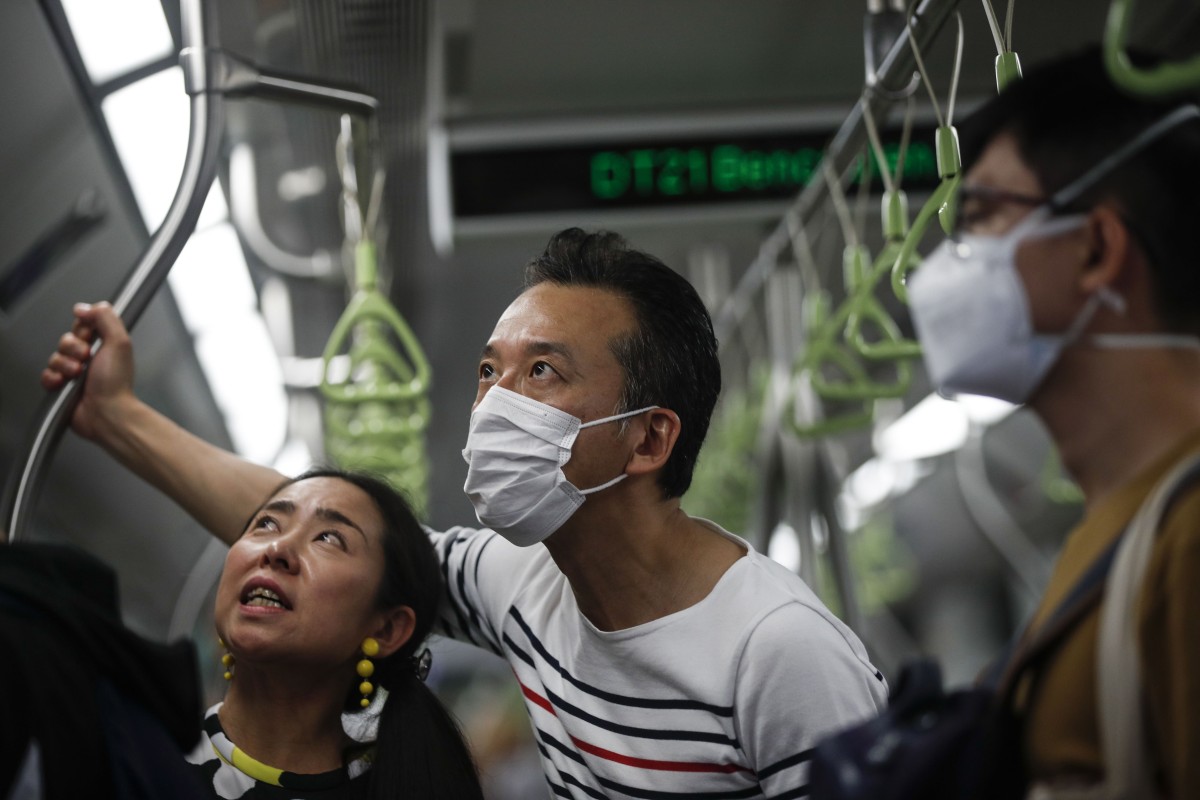
It is famous for impeccably clean streets, some of the world’s toughest littering laws and standards of public hygiene most countries could only dream about.
The city state this week issued a raft of guidelines on government websites on how people can minimise the spread of the virus, advocating the adoption of “seven habits” of good public hygiene.
These are: avoid contact with live animals and consumption of raw or undercooked meat; avoid crowded places and close contact with people who are unwell; wash hands with soap frequently; wear a mask if you have respiratory symptoms such as a cough or runny nose; cover your mouth with tissue when coughing or sneezing and dispose of the tissue immediately afterwards; seek medical attention promptly if you are feeling unwell; observe good personal hygiene.
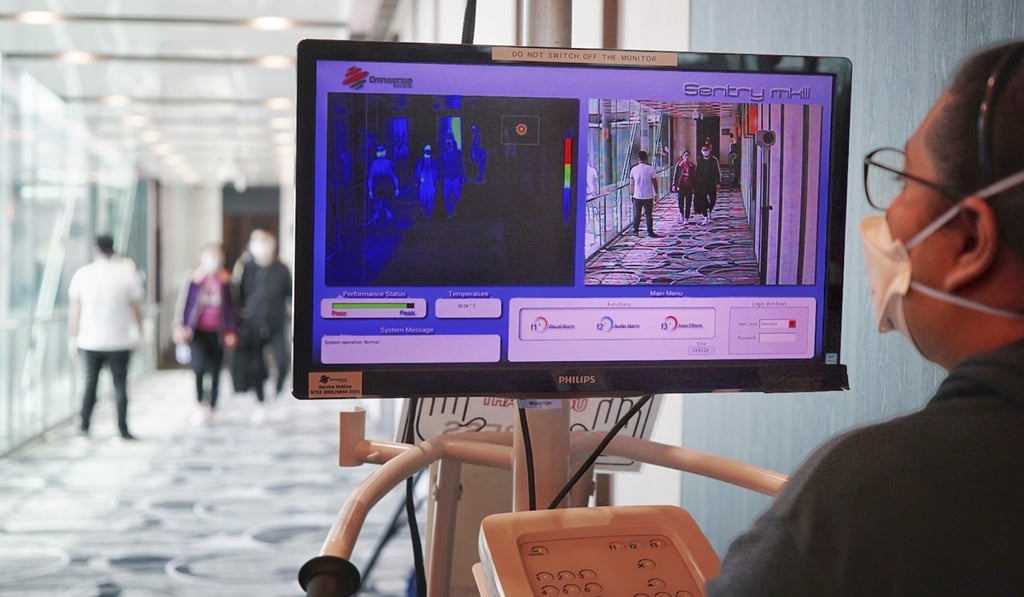
It also urges people who believe they may have been exposed to the virus to: mop floors at home with disinfectant, twice; avoid touching their face while cleaning; keep windows open for fresh air.
“These guidelines are developed and tailored ... such that residents and owners are able to carry out cleaning and disinfection operations on their own,” said the National Environmental Agency, which worked with the health ministry and the National Centre for Infectious Diseases to establish the guidelines.