Advertisement
If the new coronavirus doesn’t get you in Malaysia, fake, racist news about it might
- Misinformation about the virus has become so pervasive that Malaysia’s health minister warns it’s a ‘more critical’ issue than the disease itself
- But who should take charge of combating rumours that are so far off the mark they could be fatal – governments or the social media giants?
5-MIN READ5-MIN
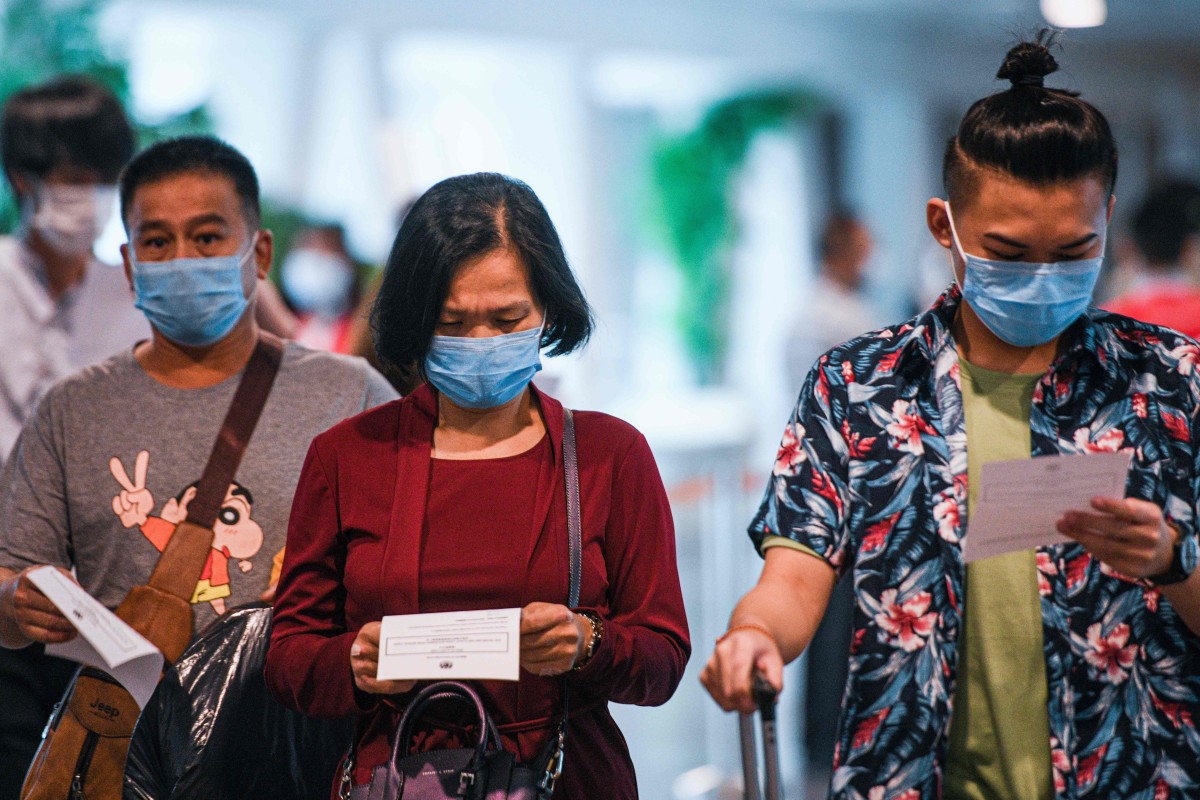
From tales of “infected” mandarin oranges and Xiaomi phones, to reports of deaths when none exist and homespun cures for pneumonia, the internet has been heaving with fake news and disinformation about the new coronavirus.
The virus has already infected almost 10,000 people in 22 countries – the vast majority of them in mainland China – and upended global travel. By the weekend, more than 60 infections had been reported in 22 countries in Asia.
As local governments scramble to stave off what the World Health Organisation has declared a global health emergency, quashing rumours daily has become par for the course, along with tighter screening of inbound travellers and the ramping up of public health preparedness.
Advertisement
In Malaysia, health minister Dzulkefly Ahmad on Monday warned the public that the spread of fake news had become a “more critical” issue than the issue of the virus within the country.
“To counter this, we will have daily updates and hope the public will go to reliable sources for news instead of believing what goes viral on social media,” he said.
Advertisement
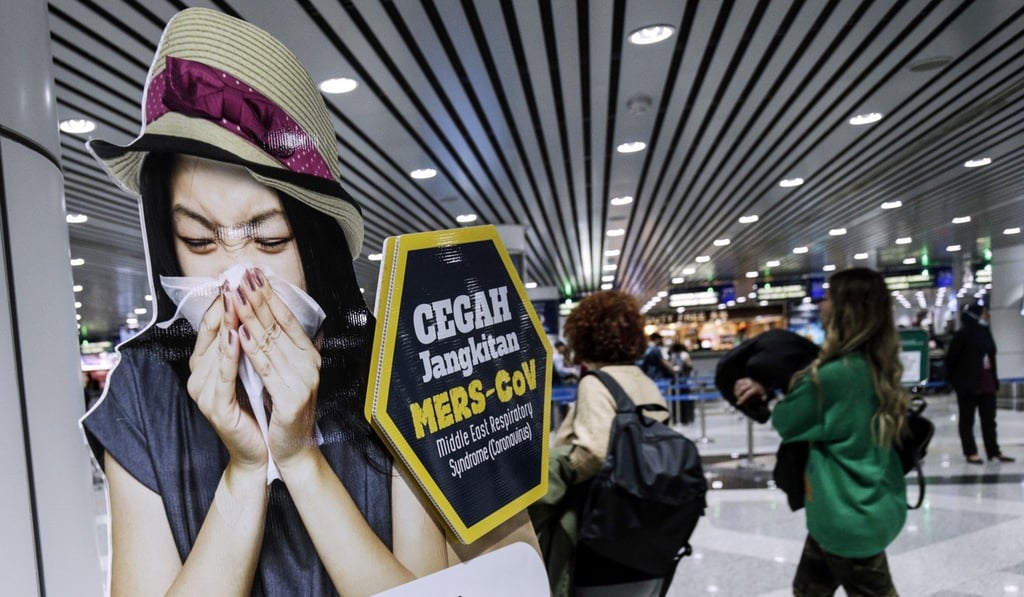
Malaysia and Singapore have both resorted to using the law on those who spread fake news, with Singapore’s Ministry of Communications and Information warning that the government would “use all tools at its disposal” to both provide accurate information to the public as well as deal with falsehoods that could cause panic and confusion.
Advertisement
Select Voice
Select Speed
1.00x