‘Slow-motion genocide’: coronavirus fears grow among refugees in Indonesia, Bangladesh and Thailand
- Rohingya and Somali refugees in camps are particularly vulnerable to Covid-19, given their cramped living situation and limited access to health care
- But after years in limbo, some are resigned to the bleak prospect of contracting the disease

There was a deadly virus on the loose, the representative said, one which was already strangling China, Iran and Italy. Good hand washing was essential, the refugees were told, as was social distancing. The refugees, many of whom came to Indonesia more than nine years ago to escape war and genocide in their own countries, were left puzzled. They had not been provided with soap, masks or hand sanitiser. They also sleep three or four to a room at the cramped hotel, making any kind of serious social distancing impossible.
“IOM advised us not to leave the camp,” said Hamda, a Somali refugee. “But we have to go out to buy food. If we don’t go out, how are we going to eat?”
Hamda is particularly worried about her mother, who suffers from seizures after being beaten by members of the terrorist group al-Shabab in Somalia. “I’m so scared for her because she has a prior health condition,” she said. “We can’t do anything to protect ourselves. Please bring us some soap, then at least we can help ourselves.”
Many of the refugees take sleeping pills and anti-anxiety medication to handle the stress of their situation, which is compounded by an unknown enemy: Covid-19. Indonesia’s official death toll was 191 on Saturday, with 2,092 confirmed cases.
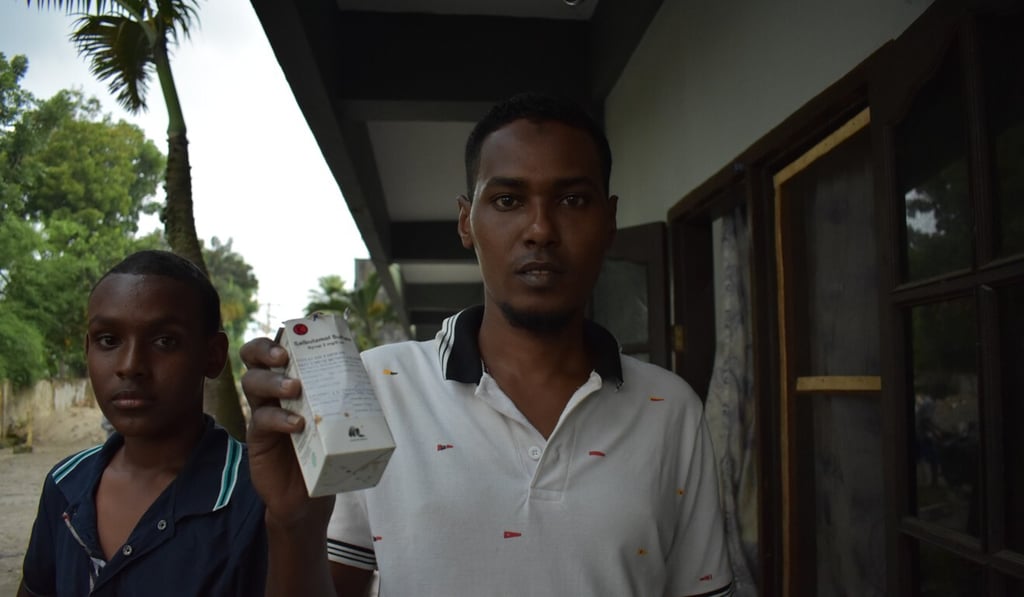
“We constantly suspect each other of having the virus,” said Fahed Mohammed Abdullah, who fled to Indonesia from Somalia in 2013. “We don’t know when we’ll get Covid-19, but we know we won’t get the chance to go to hospital if we do. We’re refugees.”