Coronavirus: how Mumbai’s sprawling slums threaten to become a Covid-19 breeding ground
- With one toilet per 1,200 people, not enough clean drinking water and outbreaks of drug-resistant tuberculosis, the Govandi slums make health officials nervous
- Yet fewer than 200 of the area’s 800,000 or so inhabitants have been tested for coronavirus – a shortfall which could be masking its true spread

In the Govandi slums of eastern Mumbai, 27-year-old Anjum Shaikh has heard enough about the coronavirus pandemic to know that she should wash her hands regularly to avoid infection.
Yet with no running water to the single-storey structure she calls home, she has few options but to pay a neighbour for access to his tap – for 7 minutes, at 4am, three times a week.
“If I don’t wake up in time, I will be left with no water. So, the days when it is my turn to fill water, I just don’t sleep,” she said.
Such sleepless nights aren’t Shaikh’s only concern, however. As well as the Covid-19 illness caused by the coronavirus, which has infected at least 99 slum dwellers so far, Govandi is also a hotspot of infection for another deadly disease: tuberculosis.
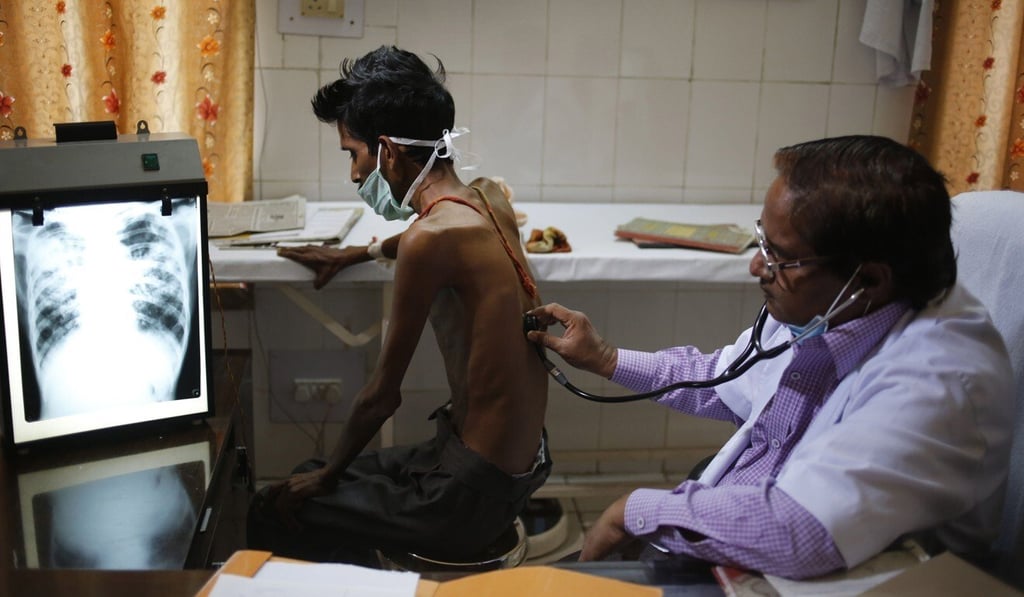
In 2019 alone, some 2,000 active TB cases were recorded in the area, according to official government data. Many were infected with the extensively drug-resistant variant of the disease that is almost impossible to treat.