South Korean patients who test positive for reactivated coronavirus have ‘little or no infectivity’, officials say
- Even though the virus in these patients has low infectivity, the phenomenon has implications for attempts to use antibodies to develop a vaccine
- If Covid-19 remains in the system, even after antibodies are formed, ‘it could surge back, causing a relapse in symptoms’, one expert warned
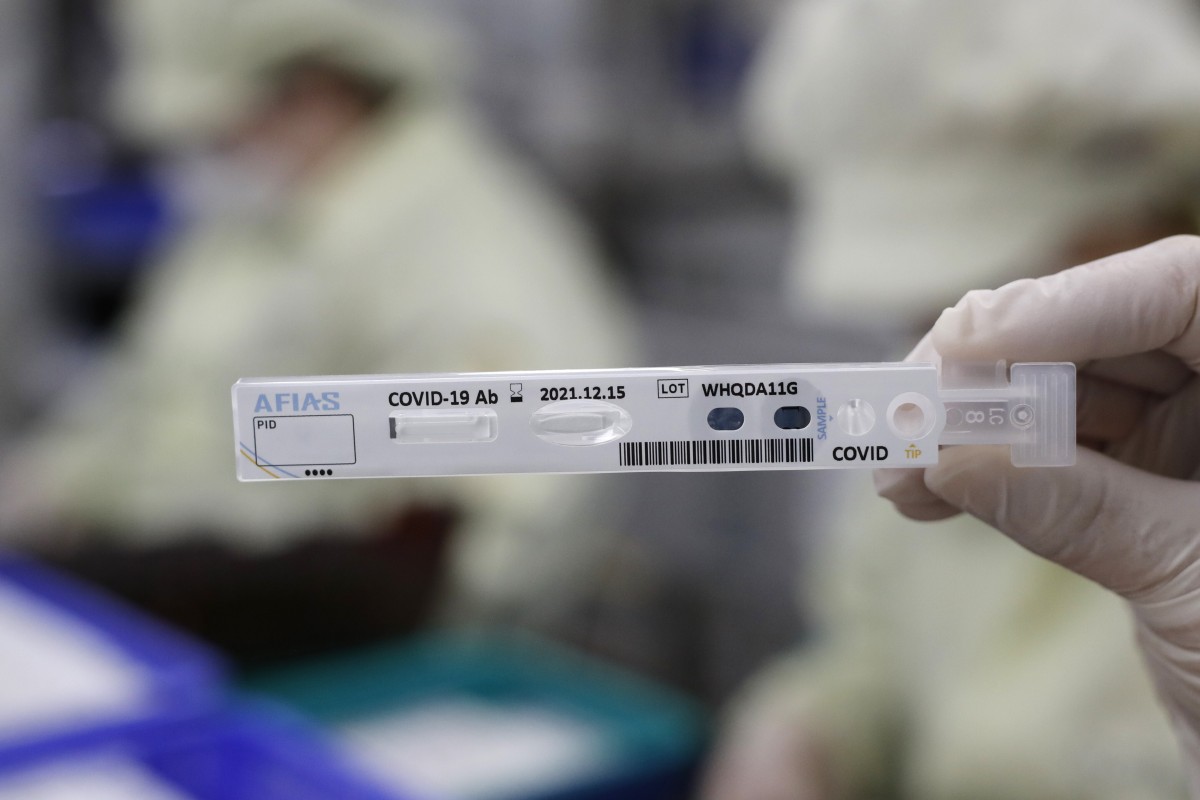
“Patients who have been cured but tested positive again have little or no infectivity,” Korea Centres for Disease Control and Prevention (KCDC) director Jung Eun-kyeong told a briefing.
The KCDC said it was still examining why some patients test positive after recovering. Among the main possibilities are reinfection, a relapse or inconsistent tests, experts said, and Jung has said the virus may have been “reactivated” rather than the patients being reinfected.
South Korea, like many other countries, uses a reverse transcription polymerase chain reaction (RT-PCR) test to find evidence of the virus’ genetic information in a sample taken from the patient.
The KCDC has examined 25 recovered patients to determine whether the virus remains present even after antibodies developed.
“It has turned out all the 25 had neutralising antibodies against the Covid-19 virus,” the KCDC director said on Wednesday, referring to the central part of the adaptive immune system that defends a cell from a pathogen or infectious particle.