Malaysia says it has flattened the Covid-19 curve. But at what cost?
- Experts say the national lockdown slowed the spread of the disease, but it exacerbated mental health issues and economic woes
- An estimated 2.4 million Malaysians could lose their jobs if the lockdown is extended past May 12

Until recently, the country was the worst hit by the disease in Southeast Asia, but officials said the national lockdown put in place on March 18 – under which schools and non-essential businesses have been closed, and social gatherings prohibited – had helped slow the spread of the disease.
Our country is entering the recovery phase
“[The movement control order has] succeeded in flattening the curve and our country is entering the recovery phase,” said the nation’s health director general Noor Hisham Abdullah earlier this week, pointing out that daily increases in cases had remained in double digits since April 16.
Malaysia has 6,002 confirmed cases of Covid-19, and has reported 102 deaths. Singapore now has the most cases in the region, with more than 16,000 infections, and has reported 14 deaths.
Although Malaysia’s lockdown is set to continue until May 12, with a further extension expected to prevent mass gatherings during Eid ul-Fitr celebrations at the end of the month, the fight against Covid-19 is taking a toll in other ways.
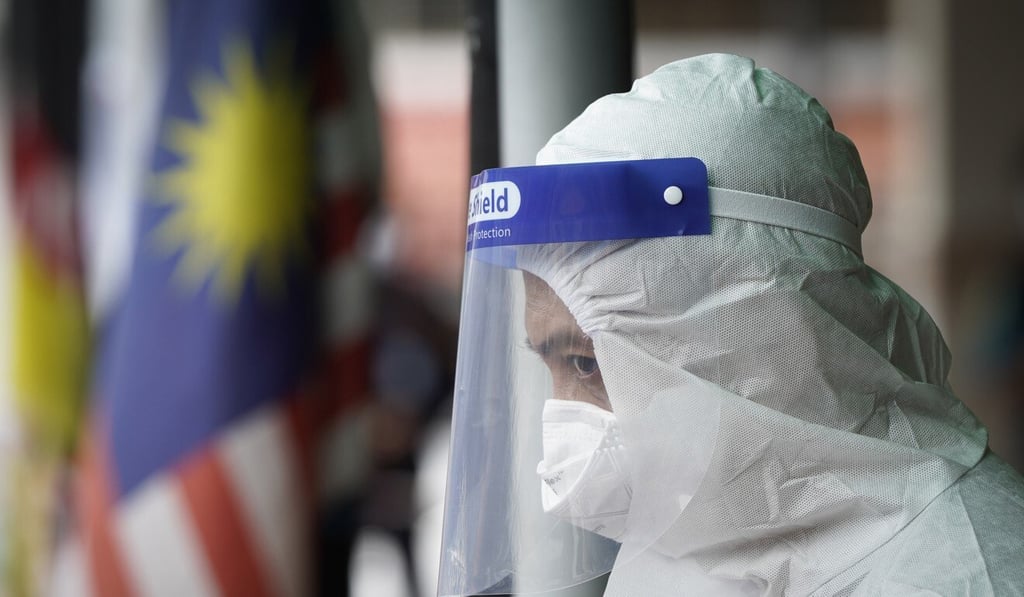
In a survey released on Thursday, think tank The Centre found that 50 per cent of respondents reported experiencing varying levels of negative mental well-being during the lockdown, with 22 per cent saying they were going through severe or extremely severe anxiety.
Women and those below the age of 35 reported higher levels of negative emotions, with up to 26 per cent of women saying they experienced severe and extremely severe depression, anxiety, and stress.