Advertisement

Plastic pollution plagues Southeast Asia amid Covid-19 lockdowns

  • Malaysia, Thailand, the Philippines and Indonesia have seen a surge in plastic waste as environmental awareness takes a back seat to health concerns
  • There has been a heavy reliance on food-delivery services and online shopping amid the pandemic, while recycling has dropped off

Reading Time:7 minutes
Why you can trust SCMP
Indonesia generates 6.8 million tonnes of plastic waste each year. Photo: EPA
Adam Reza is among those for whom environmental awareness took a back seat to health concerns during Malaysia’s national lockdown earlier this year to curb the spread of Covid-19. Despite making a conscious effort to be mindful, he estimates his use of plastics increased by up to 80 per cent as people were confined indoors for more than 90 days as the pandemic raged.

“I’m not exactly a green conscious guy, but before the lockdown I did make a conscious effort to be mindful,” said management consultant Adam, 29. “Now I just don’t care as much. Even at food courts, now that things are open, I make a point to use the plastic single-use cutlery because I am worried about germs.”

With consumers around the world stuck at home amid the spread of Covid-19 – which has infected close to 19 million people and killed more than 700,000 – the utilisation of single-use plastic has skyrocketed, raising concerns about recycling and surging pollution. Many people are reliant on food delivery services and online shopping platforms to obtain goods and stay connected, with a corresponding increase in disposable packaging.
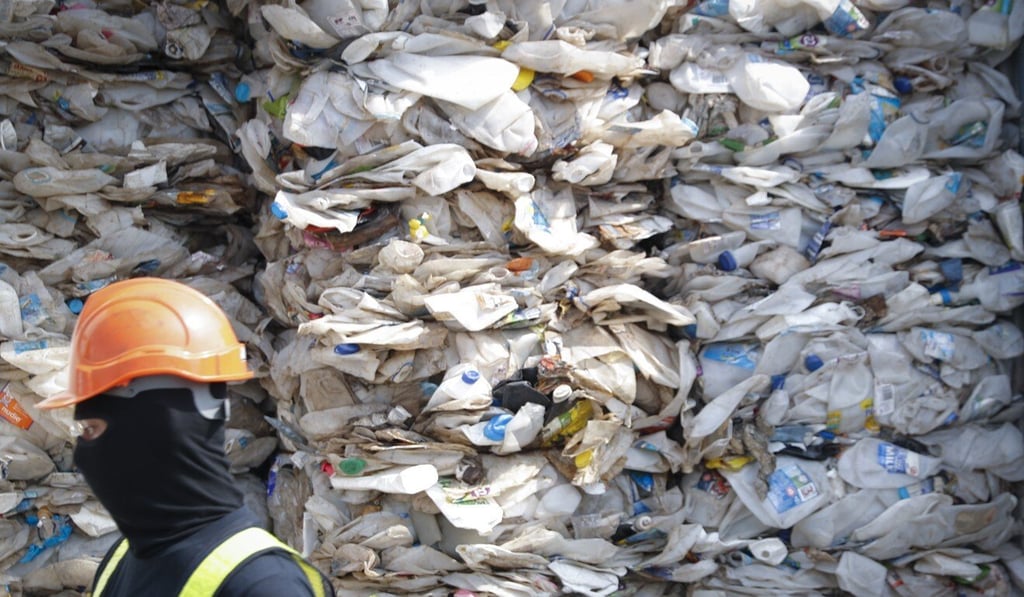
Southeast Asia is no different. More than 50 per cent of the eight million tonnes of plastic waste that ends up in the world’s oceans every year comes from Indonesia, the Philippines, Vietnam and Thailand, environmental advocacy group Ocean Conservancy estimates – partly because richer Western countries such as Australia, Canada, Britain and the United States have sent massive shipments of waste to these countries for decades.
Advertisement
In recent years, however, the region has taken a cue from China’s 2018 refusal to accept foreign waste and pushed back against these unwanted imports – with leaders such as the Philippines’ Rodrigo Duterte last year threatening to sever diplomatic ties with Ottawa and “sail to Canada and dump their garbage there” if it did not take the refuse back.
Other nations then scrambled for alternative dumping sites, with Malaysia being one of the countries on the list until its government in a pointed move last May said it would ship back 3,000 metric tonnes of plastic waste to the likes of the US, Japan and France.
Advertisement
A container filled with plastic waste from Australia, in Malaysia's Port Klang. Photo: AP

LARGER PROBLEMS AHEAD

Advertisement
Select Voice
Choose your listening speed
Get through articles 2x faster
1.25x
250 WPM
Slow
Average
Fast
1.25x