Coronavirus India: can bull semen transport network be used for vaccine distribution?
- Some see the cold-storage system used in the artificial insemination of cattle as suitable and scalable for Covid-19 vaccine use
- Policymakers have approached private companies in the cold-chain network to both assess and bolster their capacities in preparation for mass distribution

To meet this looming impediment, some company executives and officials in the Indian dairy industry are examining the possibility of using the same cold-storage infrastructure employed in the artificial insemination of cattle to transport the vaccines, although getting government officials on board with the idea remains a work in progress.

03:13
World gears up to distribute Covid-19 vaccines as drug makers await medical regulator approvals
After the technology first emerged among cattle breeders in the American Midwest in the mid-20th century, the liquid nitrogen-powered cold-chain system was adapted over the decades for use in global health care chains – from sperm storage to organ transplantation.
Rajiv Mitra, the chief executive of Prabhat Dairy, the Indian subsidiary of the French-headquartered multinational giant and dairy products leader Groupe Lactalis, said the cold-chain system used to transport bull semen could be useful in carrying and delivering Covid-19 vaccines.
“This technology is easily scalable since there are just two crucial elements involved – insulated containers, which are manufactured by state-run bodies like Indian Oil Corporation, and liquid nitrogen, a by-product of oxygen-manufacturing companies,” he said.
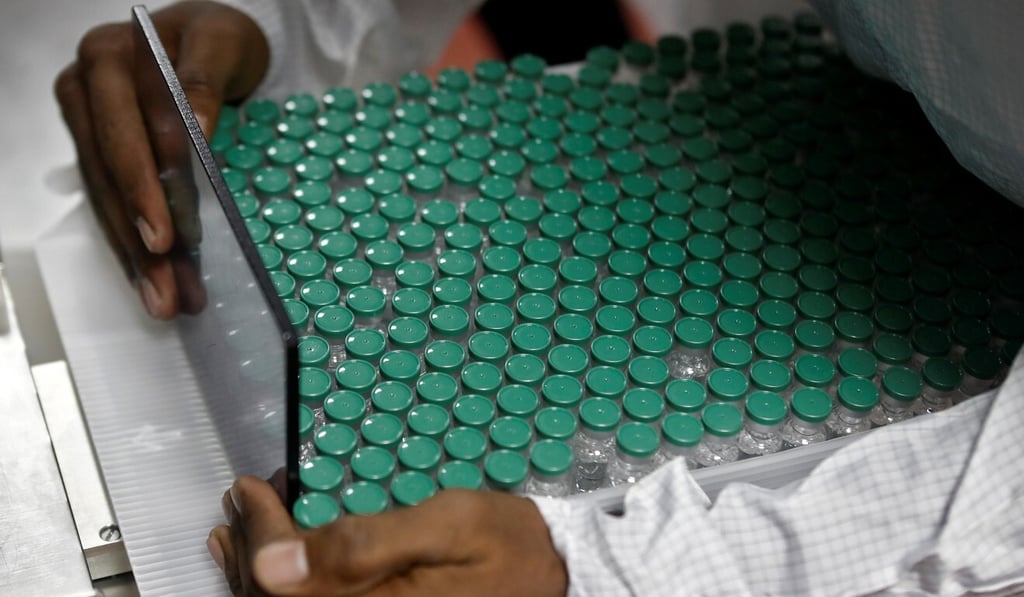
Globally, several vaccine candidates are awaiting final approval from regulators, after showing high levels of efficacy. Pfizer-Biotech’s vaccine needs ultra-low cold storage of about minus 70 degree Celsius, while the vaccines of Moderna and AstraZeneca require storage at between minus 2 and 8 degrees Celsius.