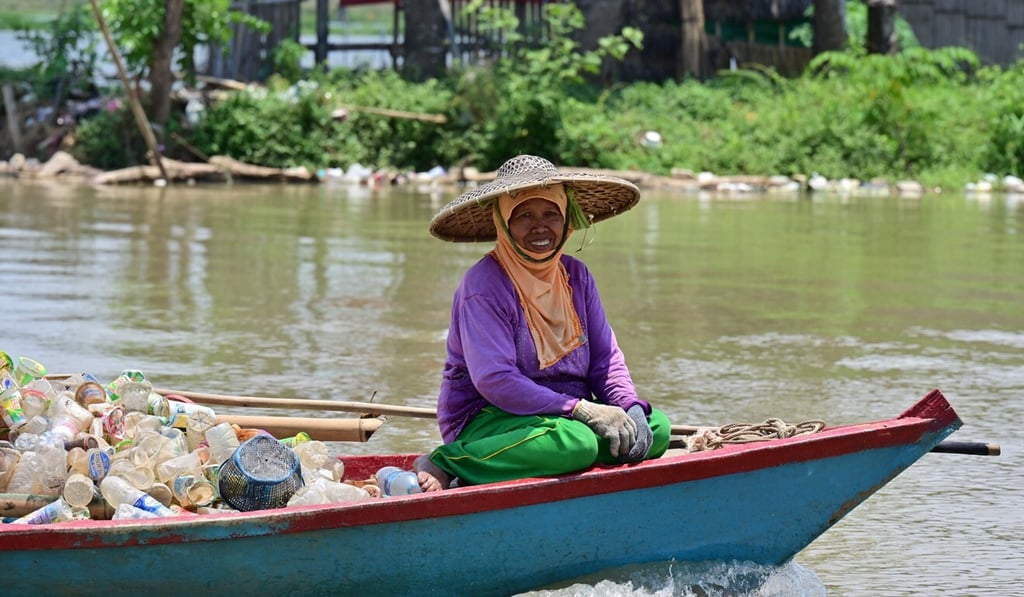
Southeast Asia braces for trash dump as China enacts waste import ban
- On January 1, China will no longer be accepting waste from other countries, with Vietnam, Thailand and Indonesia likely to feel the brunt of the new policy
- Although the three countries have taken steps to deal with mounting trash, corruption and weak policies could doom them to remain buried in refuse

China, which used to be the world’s salvage king, is shutting its door to all waste imports starting the first day of the new year. The recent announcement triggered the same kind of anxiety among waste-exporting countries as in 2018, when China enacted its “Operation National Sword” policy, which banned the import of 24 types of solid waste, including plastic waste.
With China’s latest announcement about a blanket waste ban, concerns have been raised about the effects this might have on Southeast Asian countries, where limited waste-management capacities are common.
Meanwhile, most of the domestically made solid waste processing equipment is unsynchronized, incomplete and not yet common in the country – going by the National Environmental Status Report in 2019 issued by the Ministry of Natural Resources and Environment. No specific national guidelines exist on what technology to use to treat municipal solid waste.
Since 2018, the Vietnamese government has kept a tight rein of its scrap imports through various policies, including amending the country’s technical standard to ensure only quality scrap is allowed in and cracking down on illegal shipments of thousands of containers of paper, plastic and metal scrap. Vietnam imported 9.2 million tons of scrap in the same year, a 14 per cent year-on-year increase, according to Vietnam customs statistics.