Advertisement
Coronavirus: could Singapore’s vaccine drive become a victim of the city’s own success?
- While the US struggles with anti-vaxxers and Indians worry about vaccine safety, Singapore has a different concern
- So good has it been in fighting Covid-19, some people simply don’t see a pressing need to get a jab
5-MIN READ5-MIN
6

On January 20 last year, a 66-year-old man from the central Chinese city of Wuhan arrived in Singapore and headed to the Shangri-La hotel on Sentosa island for a family holiday. Within three days, he became Singapore’s first case of the novel coronavirus that had by then infected people in mainland China, South Korea, Taiwan and the United States.
One year later – after an eight-week partial lockdown and a surge of cases in dormitories for low-wage migrant workers that caught the government off guard – Singapore seems to have infections under control, even if it does still occasionally report new community clusters.
The city state has now turned its attention to its vaccination drive, promising free shots for the entire 5.7 million population. Health Minister Gan Kim Yong declared in Parliament this month: “The best time to vaccinate is now.”
Singapore received its first batch of vaccines from Pfizer-BioNTech on December 21 and has already given shots to 6,200 people including frontline workers and Prime Minister Lee Hsien Loong. Last week, the government sent a clear signal of how it was ramping up its vaccination drive.
Advertisement
A government tender showed the Ministry of Health was looking for a vendor to set up 36 vaccination centres able to process 2,000 people a day and 10 mobile teams that could do mass vaccinations at places such as nursing homes.
Local broadsheet The Straits Times said this meant authorities could deliver 70,000 shots daily across the island. At that rate, given the Pfizer vaccine needs to be administered in two doses, Singapore would be able to cover its population in under six months.
Advertisement
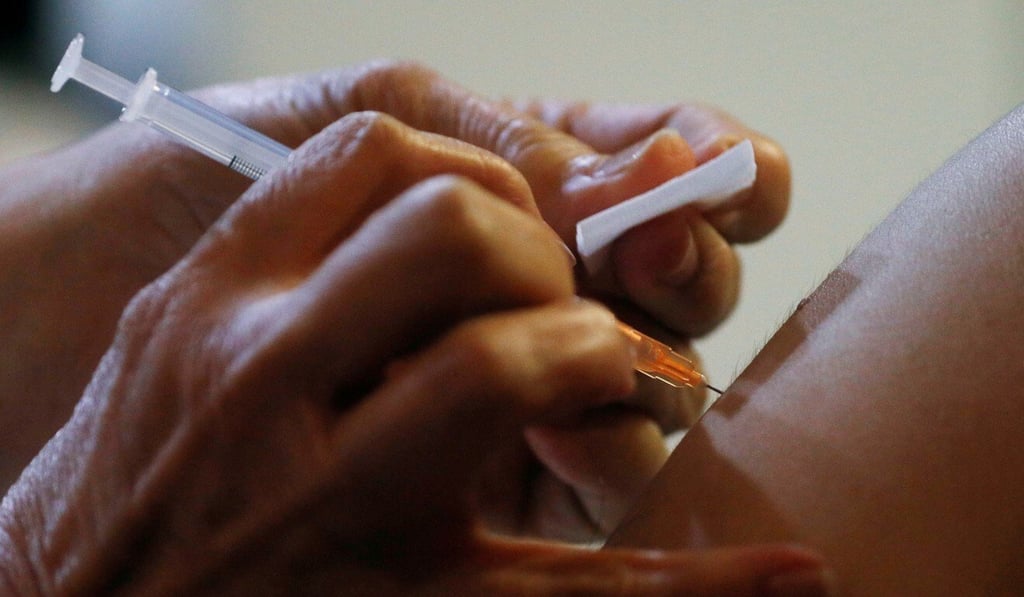
VACCINE HESITANCY
Advertisement
Select Voice
Select Speed
1.00x