Are South Korean bars illegally handing out Viagra? Sewage data suggests so
- Scientists spot a problem in Seoul’s sewage and it’s hard to ignore: the concentration of erectile dysfunction drugs is so high that treatment facilities may be unable to filter them out
- Levels pose an environmental hazard and back up a theory that night clubs are giving out the drugs to customers illegally, professor says

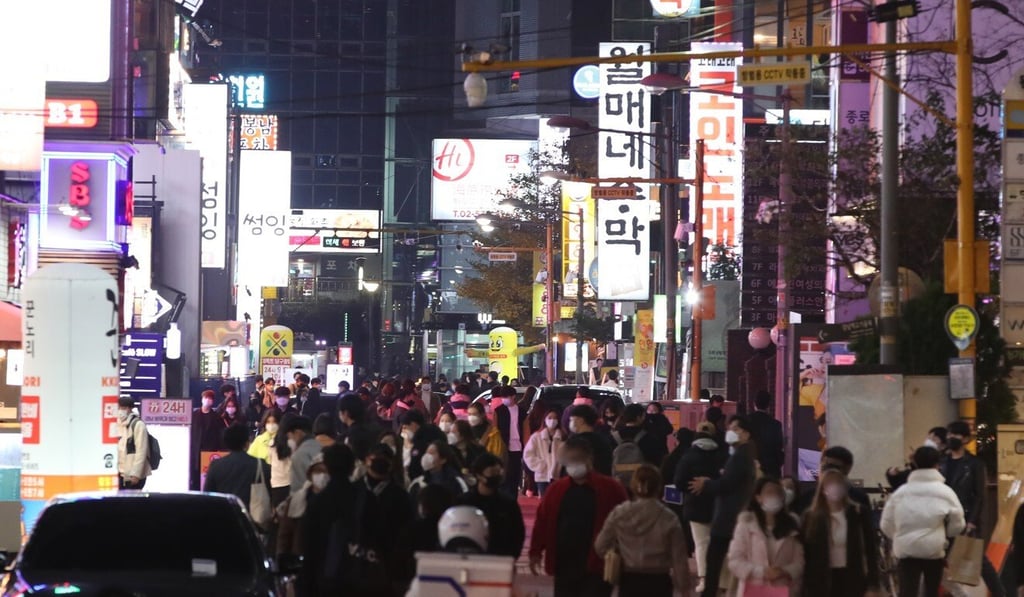
There is a hefty upswing in the presence of the chemicals used in the drugs – Phosphodiesterase-5 inhibitors (PDE-5i) – on Friday nights, Saturday mornings and in treatment facilities downstream of the Gangnam area, which is home to night clubs, bars and red-light businesses, new research has shown.
“We estimated that the amount of PDE-5i consumption in [Gangnam] was 31 per cent higher than in areas with fewer nightlife spots,” the researchers noted in the journal Scientific Reports in early May.
The team investigated the presence of the chemicals in the influent and effluent of two sewage treatment plants in the South Korean capital as well as the receiving water bodies.
So great were the levels that the plants were unable to filter them out, said Professor Kim Hyunook who led the study.
“We detected chemical compounds in the waste water that were unthinkable in the past. These can’t be properly treated by the existing sewage treatment facilities,” Kim said. “We have no idea how these chemicals may pollute the environment.”