Japan’s Fukushima water set to be dumped as critics attack ‘flawed’ Tepco report
- Fukushima Dai-ichi nuclear plant’s operator says its move to dispose some 1.23 million tons of treated radioactive water will have ‘minimal’ impact on public health
- But Greenpeace says Tepco’s scientific analysis is lacking in multiple areas, including an assessment of how the water will affect the wider Asia-Pacific region

The operator of the crippled Fukushima Dai-ichi nuclear power plant has this week commenced test drilling for pipes to release more than 1.23 million tons of treated radioactive water into the Pacific Ocean, the work coinciding with a study by an environmental group accusing Tokyo Electric Power Co (Tepco) of using “flawed” scientific analysis to justify the release.
Tepco on Tuesday started a boring survey at the nuclear plant, which was destroyed in the March 2011 earthquake and the massive tsunami it triggered, causing the meltdown of three of the six reactors at the site and the second-worst nuclear disaster in history.
With the backing of the government, Tepco intends to lay a pipeline to a location about 700 metres offshore and start to release treated water into the ocean from the spring of 2023.
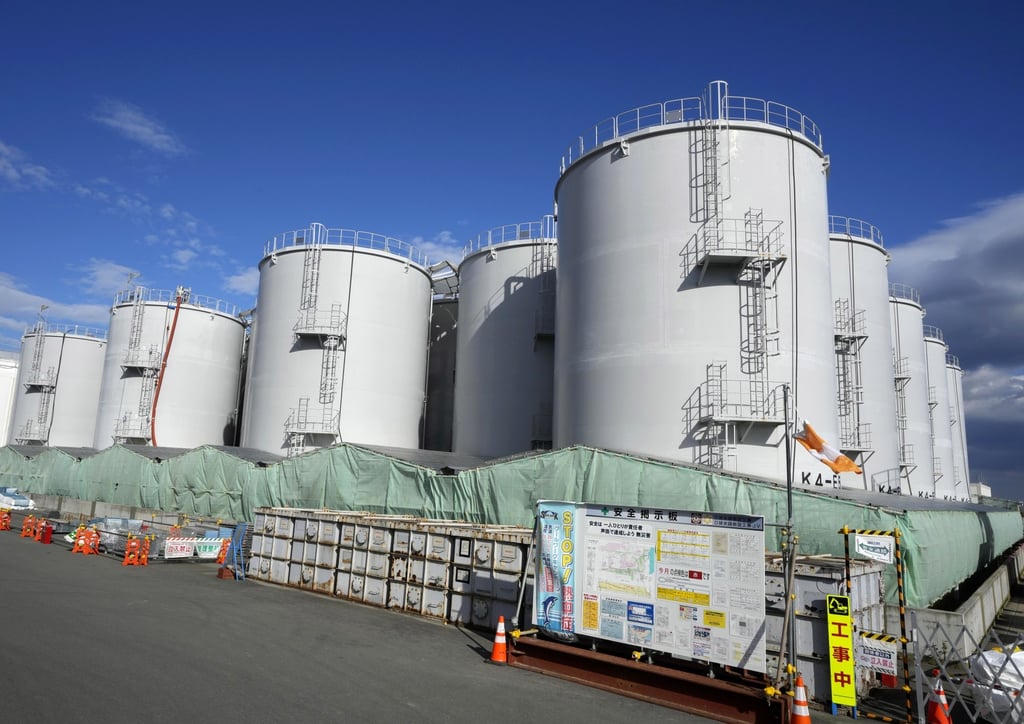
The company claims that virtually all trace of the 64 radionuclides will be eliminated before the release of the water, which is used to keep the damaged reactors cool, but critics point out that no independent organisations had been permitted to test radiation levels in the water in the more than 10 years since the disaster.
Tepco on November 17 released a study that concluded the effects of the release of the water “on the public and the environment is minimal as calculated doses were significantly less than the dose limits, dose targets and the values specified by international organisations”.
On Thursday, Greenpeace released a study that took issue with the findings in Tepco’s report, saying its own radiological impact assessment “found many flaws in the approach and with their conclusions”.
The firm “does not apply the basic principles of radiation protection, which requires even low-level increases in radiation risks to be justified and demonstrate net benefits to society”, Greenpeace’s report said, while Tepco had also failed to take into account the existing radiation exposure of the local population as a result of the original disaster in its conclusions.