Solomon Islands residents live in fear of WWII bomb explosions
With more people on the islands killed or injured due to the munitions, a UN team calls for international efforts to remove the danger

“It was lucky that we stopped the children from eating them,” said Billy, whose family lives a hand-to-mouth existence in the village of Yandina in the Russell Islands.
But it could have been much worse. Three of his friends were killed in an explosion as they tried to get explosives out of a bomb to go blast fishing.
“Of course, we’re worried about the bombs, especially with the children,” Billy said. “When we find them, we tell our neighbours and the police. We warn the children and make sure nobody builds a fire there. We don’t know if there is a link between the bombs and the sicknesses, but it makes a lot of sense if there is.”
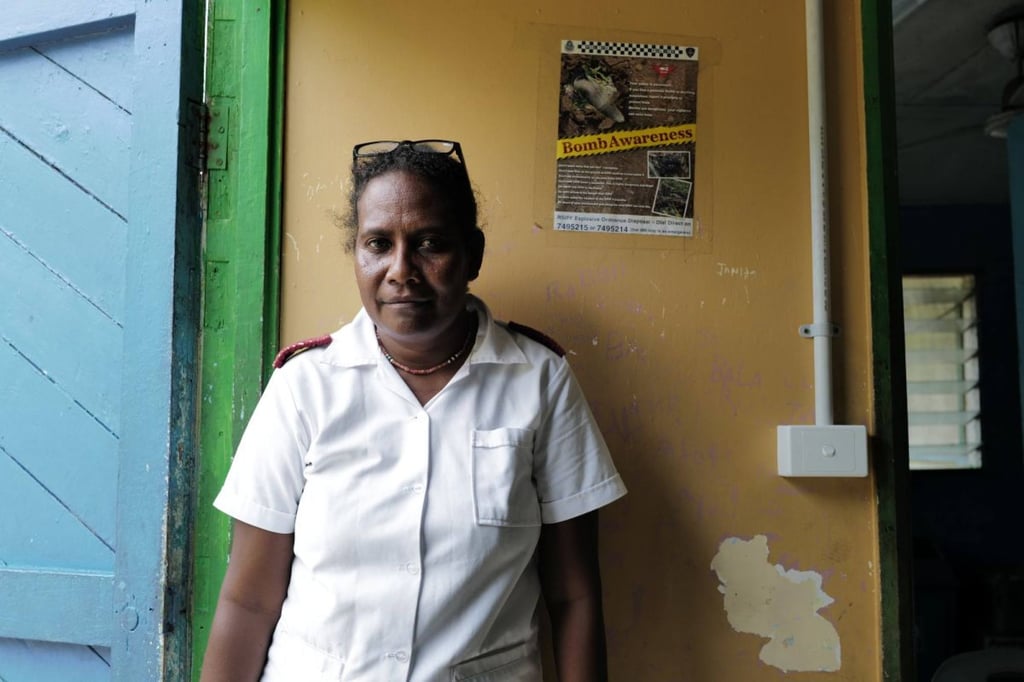
More than 80 years after Japan and the US stopped fighting in the Solomon Islands, aerial bombs and landmines, artillery rounds and mortar shells, phosphorus grenades and individual bullets still litter much of the archipelagic country. And they are becoming less stable and harder to locate.