Japan’s disaster plans fail to keep pace with tourist boom
Japan regularly drills its schoolchildren for earthquakes evacuations, but foreign visitors are another matter entirely

When the ground shook off Iwate prefecture at 9pm on Wednesday, the magnitude 6.0 jolt – the latest in a series of sizeable tremors – barely registered in a country still mopping up after two powerful typhoons and bracing for a fresh bout of torrential rain and landslides.
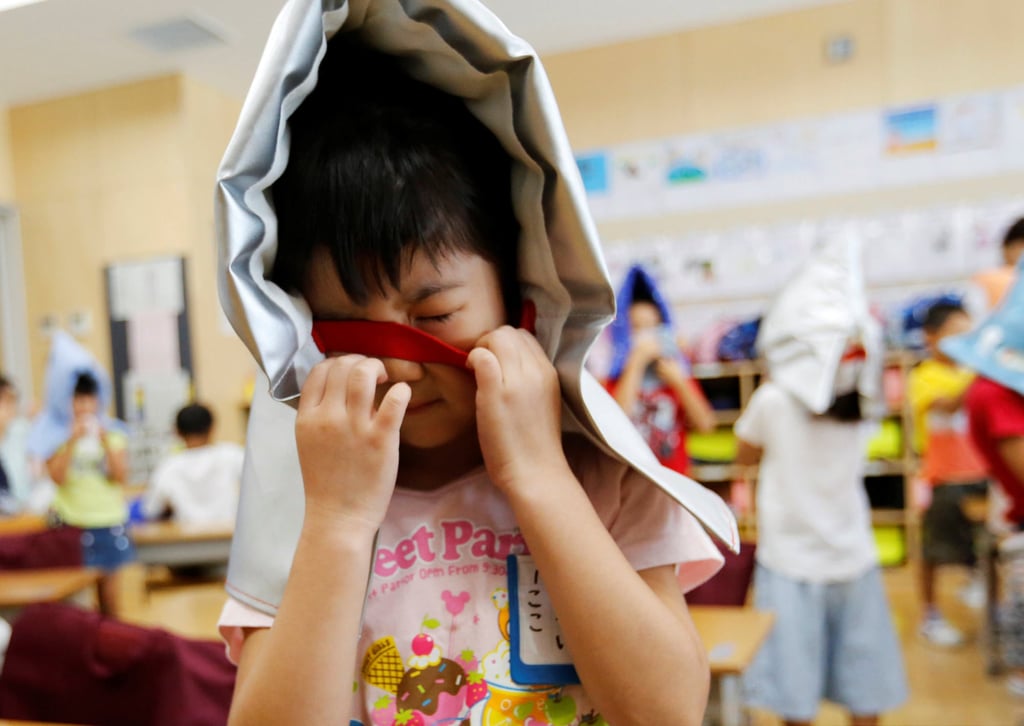
Every September 1, in a ritual as much of collective memory as civil defence, communities nationwide mark the anniversary of the 1923 Great Kanto Earthquake with evacuation exercises, mock rescues and firefighting drills.
But Japan itself has changed beyond recognition since those drills were designed and experts warn the nation’s contingency plans have failed to keep pace.
Millions of foreign residents now call Japan home, while a record wave of tourism means millions more are simply passing through – many with no grasp of the language, the warning systems or what to do when the earth moves.
Akiyoshi Kikuchi, an associate professor of disaster sociology at Meisei University, said Japan had made good progress in providing information and support to foreign residents over the past couple of decades, but tourists were another matter.
“The response to foreign tourists, whose numbers have surged in recent years, cannot yet be described as adequate and many challenges remain,” he said.