Advertisement
South Korea
This Week in AsiaLifestyle & Culture

Girls’ Generation to BTS: how K-pop swept the world – and the UN

When boyband BTS spoke to the United Nations General Assembly, it was the logical next step for South Korean soft power – which is taking over the world, one country and one superstar at a time
Reading Time:5 minutes
Why you can trust SCMP
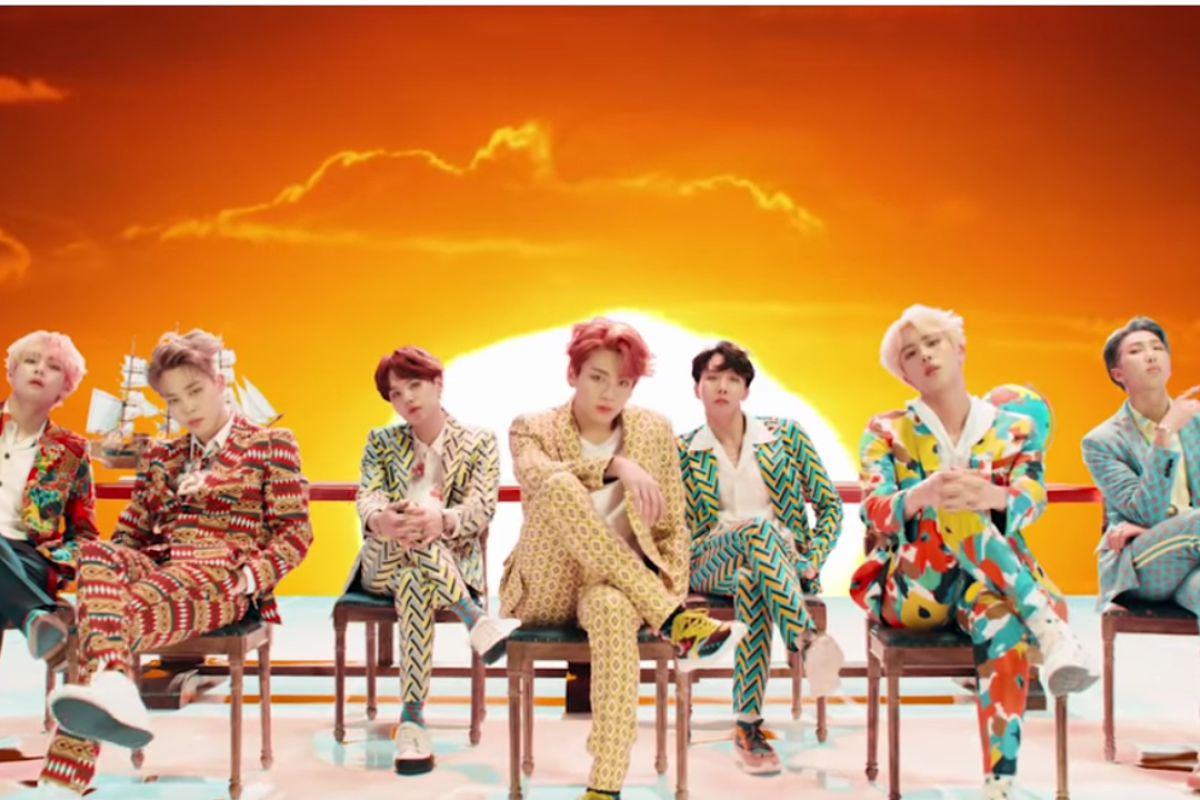
K-Pop band BTS. Photo: Handout
Crystal Tai
On the opening day of the United Nations General Assembly this week, the world’s most popular K-pop group, BTS, took the podium to address a room full of bureaucrats and world leaders. Normally known for their flashy, hip hop-inspired ensembles, the seven-member boy band stood in sombre black suits, as the group’s leader RM (formerly known as “Rap Monster”), gave a six and a half minute speech about the group’s work with Unicef, for which the group has raised more than 1.1 billion won (US$986,000) over the past year.

He also spoke about Unicef’s newest youth education and training initiative, “Generation Unlimited”, and urged the audience to speak their minds and love themselves. “No matter who you are, where you’re from, your skin colour, your gender identity – just speak yourself,” he said. “Find your name and find your voice by speaking yourself.”

At a meeting where the global community discusses issues such as climate change, multilateralism and peacekeeping, the question on everyone’s minds was what place K-pop had in international affairs.

Advertisement
It seems bizarre that a picture-perfect boy band conceptualised by an industry known for its highly manufactured and highly repressed – if not oppressed – idols would give a speech on self-esteem and identity at the UN. But BTS is not just any K-pop act. According to their fans around the world, they are one of the few who dare to deviate from boundaries in their native South Korea, where their songs and statements address major social taboos including suicide, abuse, and LGBTI rights.

“In their music, they sing about controversial topics like self [esteem] and mental health,” says Tessa Ariella, a student at Yonsei University in South Korea, who says BTS are just as big in her native Indonesia. “BTS are different to other groups, they reach out to everyone.”

Advertisement
Advertisement
Select Voice
Choose your listening speed
Get through articles 2x faster
1.25x
250 WPM
Slow
Average
Fast
1.25x