South Korea’s paternity leave taboo: blame it on Confucius?
- Japan’s environment minister Shinjiro Koizumi is taking paternity leave, in an effort to be a role model for other new fathers
- But in South Korea, Confucian culture has resulted in a clash between societal beliefs and the needs of families

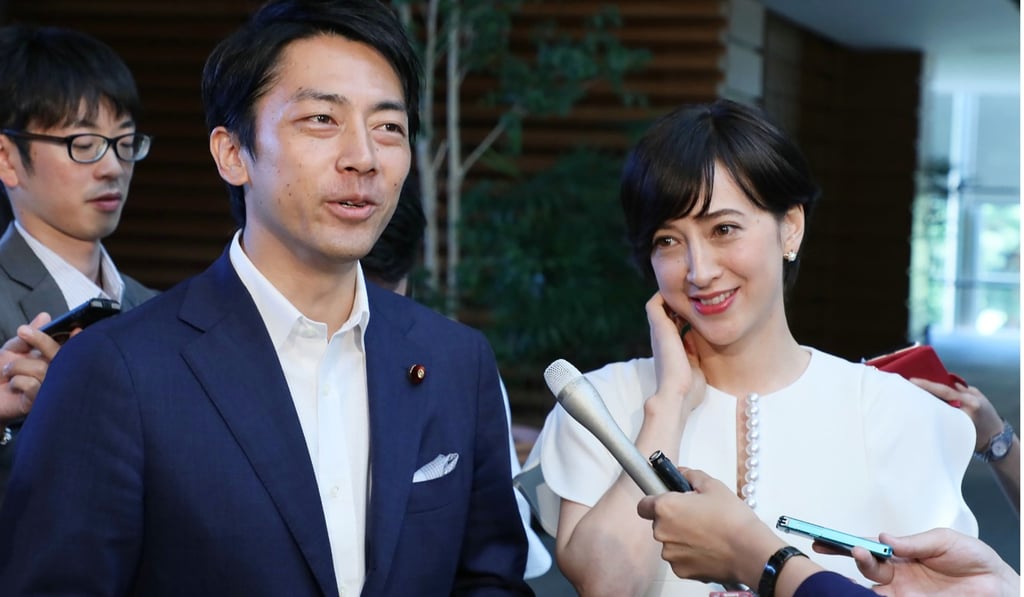
Koizumi was the first cabinet minister to make such a move, in an effort to pave the way for other working fathers who qualify for up to a year’s paternity leave in Japan. He said a “change in the atmosphere” was needed in a country where just 6 per cent of eligible fathers take it.
In South Korea, the number of men taking paternity leave jumped from 1,402 in 2011 to 22,297 in 2019, when the maximum length increased from one year to two years as a household with two working parents are able to take one-year respective breaks from work to stay at home with children under the age of 8. Employees are paid 80 per cent of their total wages in the first three months of the break with a maximum paycheck of 1.5 million Korean won (US$1,263) and a minimum of 700,000 Korean won (US$590) per month. They are paid 40 per cent of total wages in the latter nine months with a maximum of 1 million Korean won (US$842) and a minimum of 500,000 Korean won (US$421) per month.
A “paternity leave bonus” also allows the second parent taking leave to receive a maximum of 2.5 million Korean won (US$2,140) in the first three months of the leave.
But although conditions for parental leave have improved in length and payment, social stigma still prevents many workers from using their benefits, according to Yi Sang-gu, president of the Welfare State Society.