If Singapore hawkers are Unesco heritage, why not India’s desi street food?
- Unesco’s recognition of Singapore’s hawker centres as ‘intangible heritage’ has prompted fans of India’s desi street food scene to seek similar recognition
- While dishes from Delhi’s spicy chaat to Kerala’s mutton stew have fans from ministers to Bollywood royalty, the industry is hungry for government support

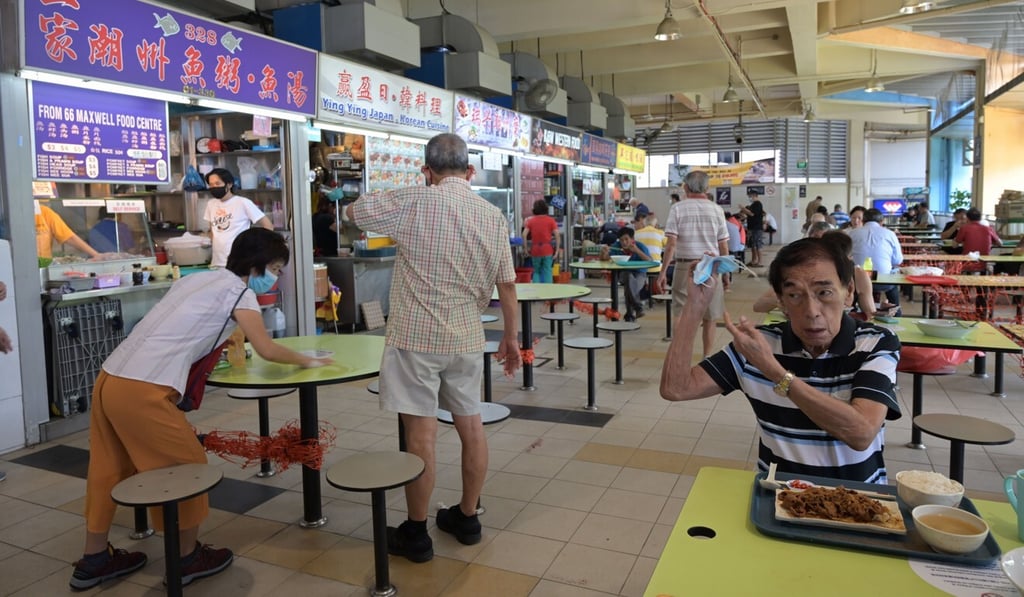
After a two-year campaign, the UN’s cultural agency Unesco had finally added the world famous open air food courts to its List of the Intangible Cultural Heritage of Humanity, thereby confirming what most foodies already knew instinctively to be true – that food with the humblest of origins is often worthy of the highest praise.
“Indian street food needs to be celebrated in all its glory. Giving food vendors a badge of honour like Singapore’s hawkers would acknowledge their hard work and dedication to a craft that is centuries old,” said a television anchor on a local channel last month.
The breadth of India’s street food scene is indisputable. From spicy chaat (fried dough) in Delhi to jhal muri (puffed rice) and mishti doi (sweet curds) in West Bengal to litti chokha (lentil dumplings) in Bihar and mutton stew in Kerala, India and its 1.3 billion strong population are host to a smorgasbord of local delicacies that for sheer variety is perhaps unmatched anywhere in the world. The choices on offer become even more daunting when one considers that recipes for many of the best known dishes have been honed over centuries, resulting in myriad local versions that would take even the most talented chef a lifetime to master. Whole cookbooks and television shows can be devoted to just a single food type, be it kebabs, samosas, naan bread or aloo tikki (potato chops).