‘Our profession is at stake’: Mumbai’s ‘dabbawallas’ fear for their futures as coronavirus shuts down age-old food delivery network
- Lunchbox deliverers have been feeding India’s financial capital since the 1800s, but almost all have been put out of work by the pandemic and its associated disruptions
- Some worry that their jobs – already under threat from food delivery apps and changing tastes – could now be gone for good, when the virus finally recedes

For the past 30 years, come rain or shine, Rohidas Sawant has been up at the crack of dawn six days a week to cycle through the lanes of Mumbai collecting stacks of steel lunchboxes, known as tiffin carriers or dabbas, packed with steaming hot curries, dal, rice and rotis from people’s front doors.
Once he has done his rounds, he parks his bike at the railway station, helps load the tiffin carriers onto a crowded suburban train, then clambers aboard himself – assisting with their synchronised loading and unloading before passing the baton to a local dabbawalla (lunchbox deliverer) who rushes the meals from office to office in time for lunch. The empty dabbas are then collected and returned to where they came from by the evening, completing the cycle.
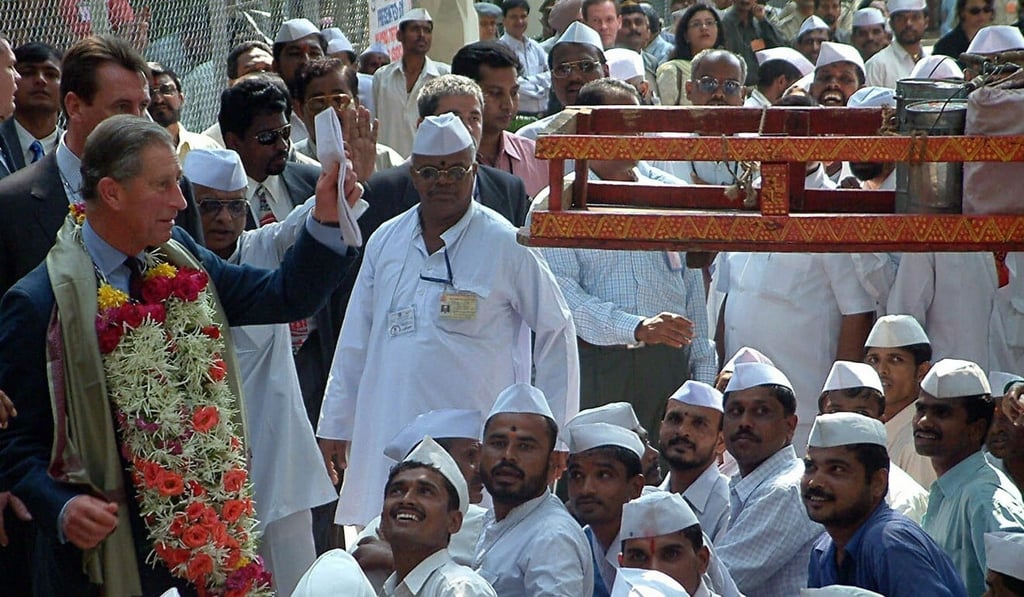
So impressive are their delivery skills that British billionaire Richard Branson reportedly travelled with them once to better understand their operations and Prince Charles, the UK’s heir apparent, invited them to his wedding with Camilla after meeting them in 2003.
They have even been the subject of a Harvard Business School study that examined what international companies could learn from their model of “service excellence”.