From Udupi to Hong Kong: how an Indian temple town’s vegetarian cuisine spread across the world
- Multiple chains and franchises across the country – and the world – can trace their origins to food prepared in the kitchens of the town’s Lord Krishna temple
- While menus have been updated over the years as appetites change, traditional Udupi fare is still a draw for those looking for a wholesome, healthy meal

Mentioning Udupi cuisine triggers a vivid memory for Rakesh Raghunathan. “The most amazing dish that I have had at a Udupi restaurant is at the old Dasaprakash Hotel in Mysore, where they served haalbai, a halwa made with rice flour, jaggery, coconut milk and ghee,” the Chennai-based food raconteur and television host says. “I can still remember that melt-in-the-mouth goodness years later.”
The dusty temple town of Udupi – between the Western Ghats and the Arabian Sea, close to the city of Mangalore, lashed by monsoons for four months of the year – has spawned countless Udupi-style vegetarian restaurants around the world, from Dubai to New York.
Raghunathan explained that the beginnings of Udupi-style cuisine were in the 13th century, when a caste called the Shivalli Brahmins made elaborate food in the kitchens of the Lord Krishna temple.
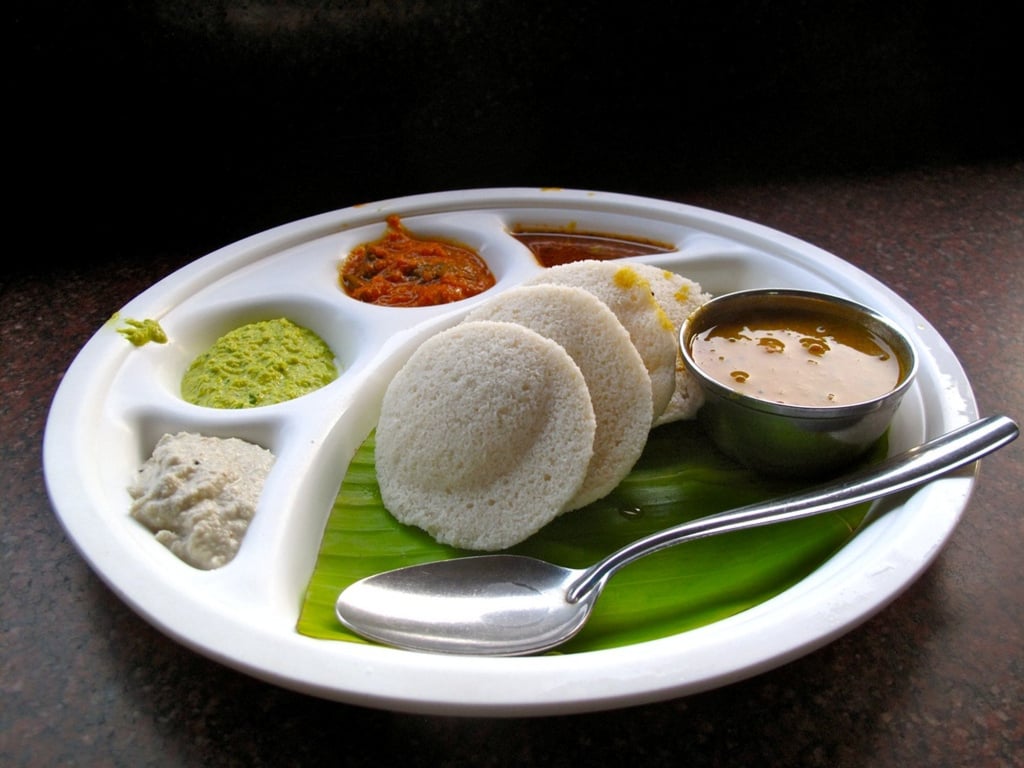
The offering to Krishna, one of the Hindu pantheon’s most widely revered deities, involved no less than 14 different cooked delicacies each day. The food was also served to devotees who thronged the temple throughout the year.