-
Advertisement
Food and Drinks
This Week in AsiaLifestyle & Culture

MasterChef Australia finalist’s ‘peasant food’ rice dish delights Indians, Bangladeshis

  • Kishwar Chowdhury’s ‘Smoked Rice Water’ is a modern reimagining of ‘panta bhat’, a type of centuries-old comfort food from Bangladesh and India
  • Many ethnic Bengalis were delighted to see their culture’s cuisine showcased on the show – even if Chowdhury herself ultimately lost out on the top prize

Reading Time:4 minutes
Why you can trust SCMP
Kishwar Chowdhury prepares her entry for the ‘MasterChef Australia’ finale. Photo: Instagram / @kishwar_chowdhury
Kalpana Sunderin Chennai
When Kishwar Chowdhury appeared on the finale of MasterChef Australia last week, the 38-year-old Melbourne native delighted Indian and Bangladeshi social media users with her entry: a reimagining of a centuries-old rustic dish made from cooked rice fermented in water.
Panta bhat has long had a reputation in Bangladesh and the states of eastern India with large ethnic Bengali populations as a cheap, filling source of energy and hydration to beat the summer heat. It is traditionally served in the morning with potato, chilli or onions after soaking overnight, and is particularly popular with farmers and other manual labourers.

Chowdhury’s version, dubbed “Smoked Rice Water”, was flavoured with smoked red chilli and served with smoked sardines coated in soy sauce, ginger, garlic, chilli and honey, alongside a type of spiced mashed potato known as aloo bharta.

“This is the type of food you wouldn’t see in a restaurant anywhere,” the mother-of-two, whose parents hail from Bangladesh, said as she introduced the dish, adding that presenting it as her final effort in the televised competition felt “scary” but also “extremely rewarding”.

Advertisement

The MasterChef Australia judges were suitably impressed – Melissa Leong described it as “powerful food … [that’s] powerful with history and … powerful with flavour”, while fellow judge Jock Zonfrillo agreed that the combination of flavours was “just unbelievable”, adding “my mouth is still watering” after tasting the dish – but Chowdhury ultimately lost out on the top spot in the competition, taking home the third-place prize of A$20,000 (US$14,800) for her efforts.
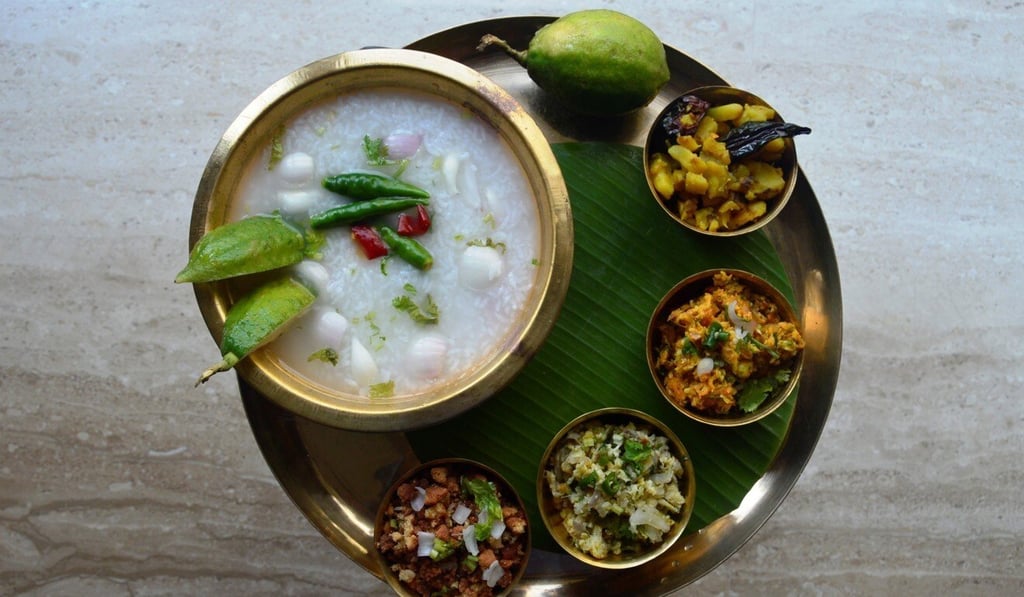
‘Panta Bhat’ has long had a reputation in Bangladesh and the states of eastern India with large ethnic Bengali populations as a cheap, filling source of energy. Photo: Ananya Banerjee
Advertisement

She may not have won the contest, but for Indians and Bangladeshis on social media, seeing their countries’ food culture showcased to an international audience was more than enough.

“Thank you Kishwar for making Bangladesh proud,” wrote one user with the Twitter handle Nishu. “You have made our casual food into an extraordinary culinary dish. I just love your confidence of presenting our cuisine on an international platform in such a wonderful way.” Fellow Twitter user Sagarika Chakraborty said seeing Chowdury serve “what to my forefathers was farmer food and what growing up spelt humble heritage” on the show made the “Bangladeshi immigrant blood” inside her fill with pride.
Advertisement
Select Voice
Select Speed
1.00x