Advertisement
It takes two to mango: climate change, higher costs threaten India’s ‘king of fruits’
- Mangoes are an integral part of Indian history, culture, mythology and religion – equal parts sacred symbol, medicinal plant and delicious summer snack
- But extreme temperatures and unseasonal rains have badly dented this year’s mango harvest, affecting output in the world’s largest producer of the fruit
3-MIN READ3-MIN

Kalpana Sunderin Chennai
Indian summers are nothing without mangoes. Life revolves around this fleshy fruit, unpacked from crates lined with dried hay. Stalls and carts overflow with different varieties and school holidays are spent feasting on cups of their delicious pulp.
But in the last few years climate change, untimely rainfall and extreme temperatures have affected output of the “king of fruits”. Unseasonal winter rains can cause later flowering, and the mangoes’ quality can be affected if the fruiting season overlaps with summer rains. Temperature also plays an important role – neither extreme heat nor cold is desired – as flowers can wilt and fall off before they have a chance to mature.
This year, climate-related changes have already affected the mangoes’ flowering and fruiting patterns.
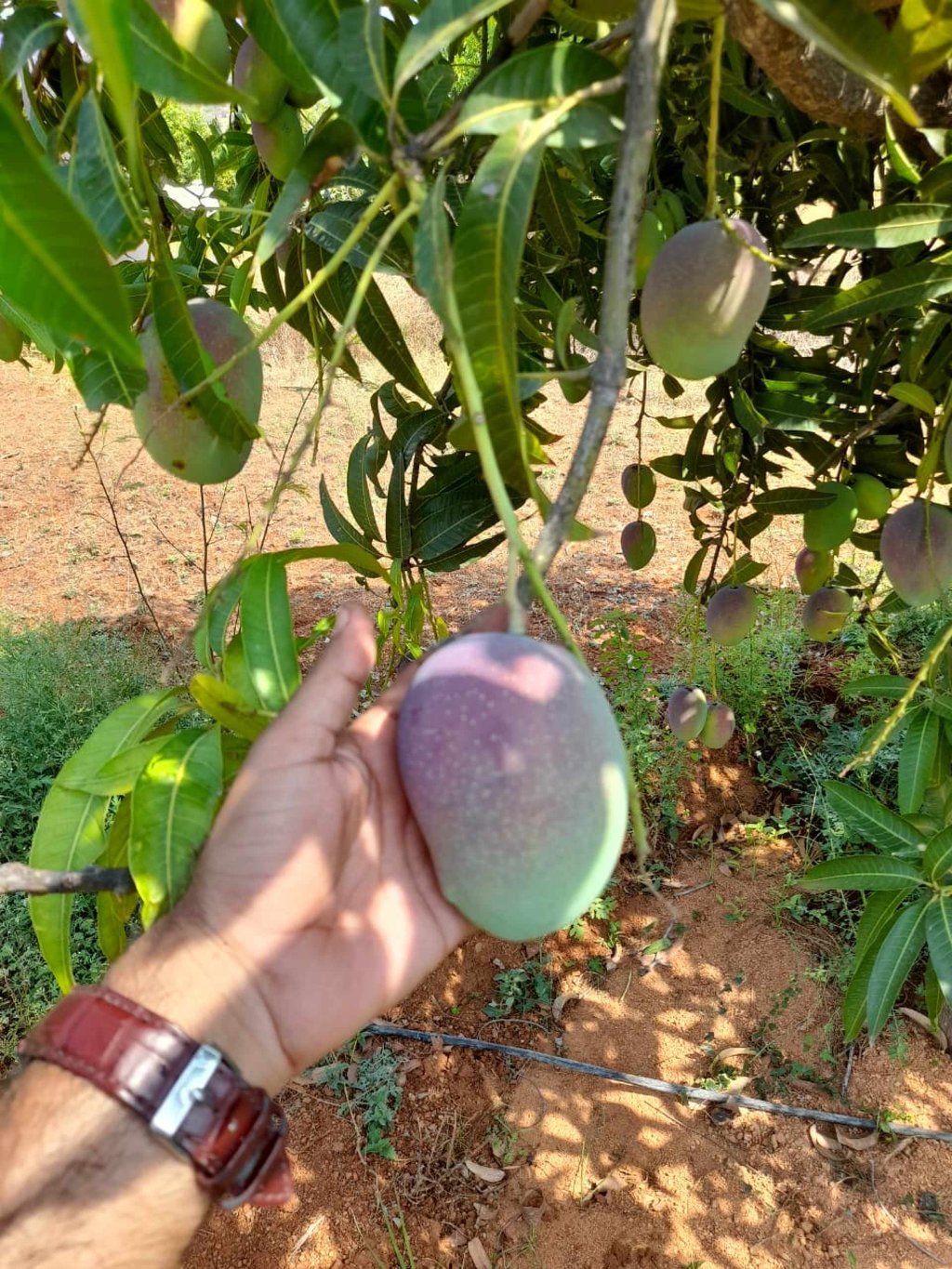
Usually, mango flowering starts between December and March. But higher-than-normal temperatures this year when the trees were at the flowering stage have damaged crops. Unseasonal rains also brought germs, flies and bacteria.
Advertisement
India is the world’s largest producer of mangoes, accounting for 54 per cent of global mango production.
Insram Ali, president of the All India Mango Growers’ Association, blamed climate change and a lack of proper flowering for this year’s poor mango harvest, which is forecast to be a fraction of previous years.
Advertisement
Uttar Pradesh’s “mango belt” usually produces about 4-5 million tonnes of mangoes per year, but this year there may only be 1.5 million tonnes. “This summer’s fruit will definitely be dearer because of less supply,” Ali said, pointing to the use of substandard pesticides as another reason for the poor crop.
Advertisement
Select Voice
Select Speed
1.00x