Advertisement
Forget Europe, China’s ‘extremely valuable and coveted’ tourists are heading for the Gulf
- Analysts expect ever larger numbers of Chinese professionals, entrepreneurs and tourists to visit as air links normalise with the Middle East region
- Luxury travellers are sure to find a warm welcome, as are those searching for ancient cultural and historical sites – plus ‘very good shopping’
6-MIN READ6-MIN
5

The oil-rich desert kingdoms of the Gulf are looking to China’s famously high-spending, trailblazing tourists to fuel their ambitions of competing with Europe’s cultural centres and idyllic Asian island resorts to become the world’s leading travel destination.
Following the lifting of China’s zero-tolerance Covid restrictions earlier this year, officials in the Gulf are now optimistic that the number of Chinese tourists and other travellers will reach pre-pandemic levels as early as next Lunar New Year in February 2024.
Long-haul carriers such as Dubai’s Emirates, Abu Dhabi-based Etihad and Saudia have revived most of their flights to the Asia-Pacific. And the Middle East – alongside Africa – was the region with the highest travel recovery from China in the second quarter of 2023, according to travel analytics firm ForwardKeys which projected a 75 per cent increase in seat capacity for outbound Chinese travel to the region.
Advertisement
Emirates, the world’s largest long-haul airline, says it has restored 85 per cent of its pre-pandemic flights to China.
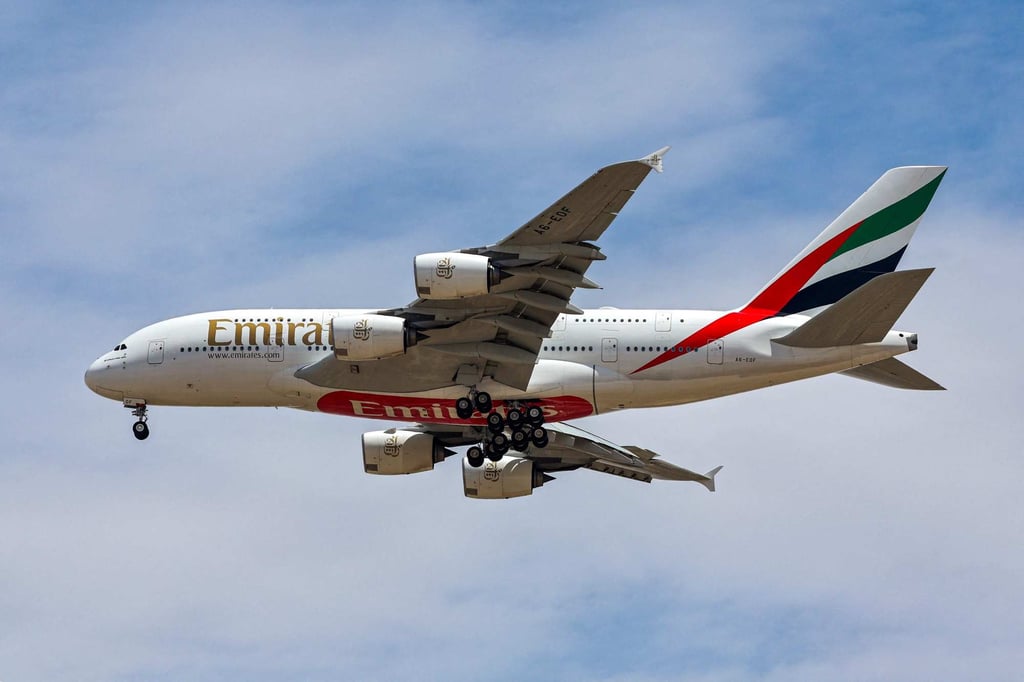
“The good reputation and strong connectivity of Gulf airlines will benefit long-haul global travel, with Gulf countries acting as a hub,” said Sienna Parulis-Cook, marketing and communications director at Beijing-based travel-focused marketing solutions company Dragon Trail International. “For the Chinese outbound market, the Gulf serves as a very important hub for travel onwards to Africa, as well as to Europe.”
Advertisement
Since China was the world’s largest and highest-spending international outbound tourism market for many years before the pandemic, “it’s extremely valuable and coveted by many – indeed, most – international tourism destinations around the world,” Parulis-Cook told This Week in Asia. “The Middle East is no exception.”
Advertisement
Select Voice
Select Speed
1.00x