In the Philippines, a community of cyclists pushes nation towards bottom-up natural disaster response
- Bike Scouts help address need for access to life-saving information and essential supplies in immediate aftermath of disasters
- Grass-roots organisations such as the Bike Scouts can further strengthen the Philippines’ bottom-up approach to disaster management, analysts say
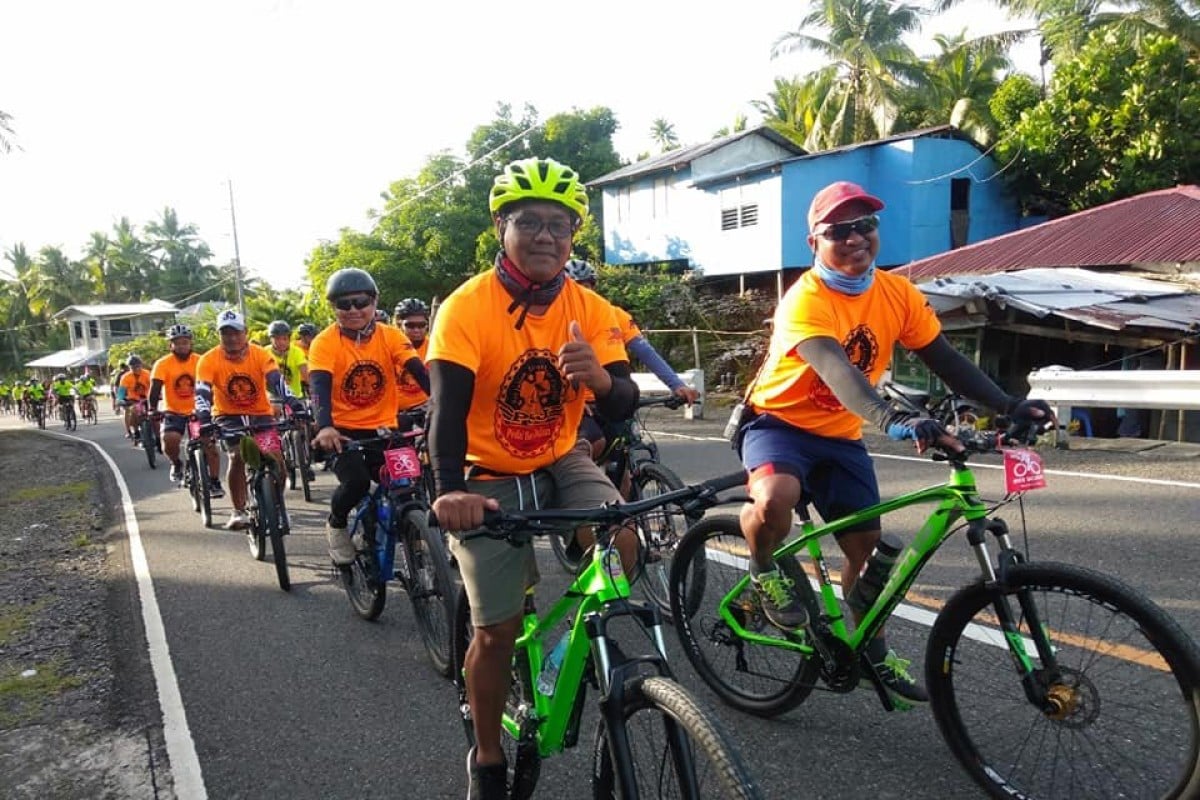
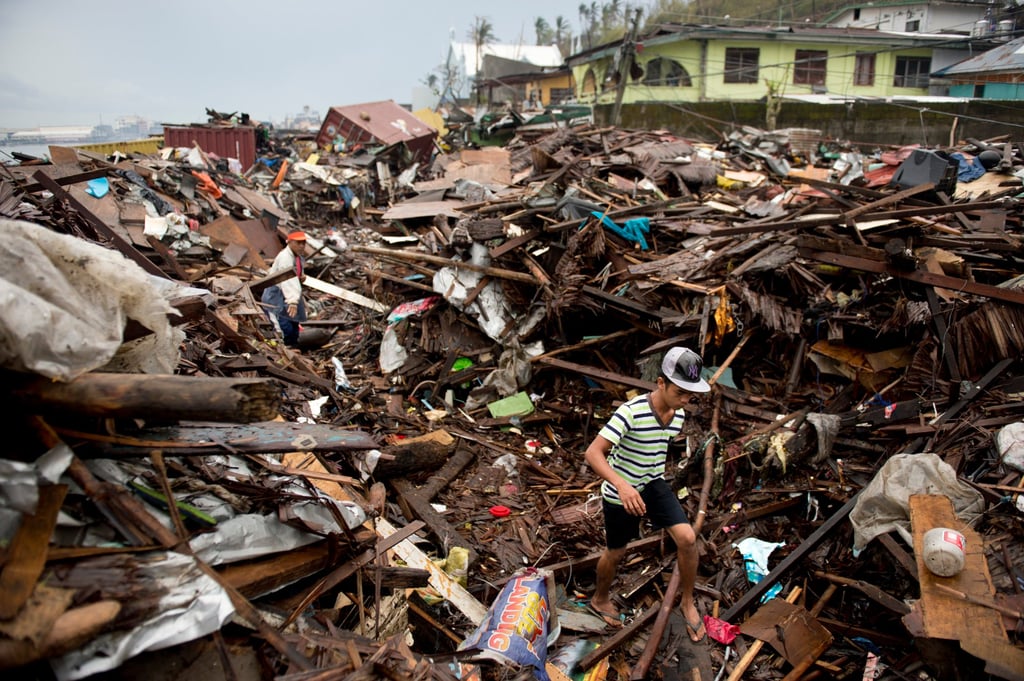
Myles Delfin watched the storm’s aftermath unfold on television from Metro Manila. While numerous organisations responded to the calamity alongside government agencies, he observed that survivors who were rescued and given food, medicine and shelter could still not get in touch with their loved ones.
Communication lines and roads had been ravaged, cutting off the provinces of Leyte and Samar.
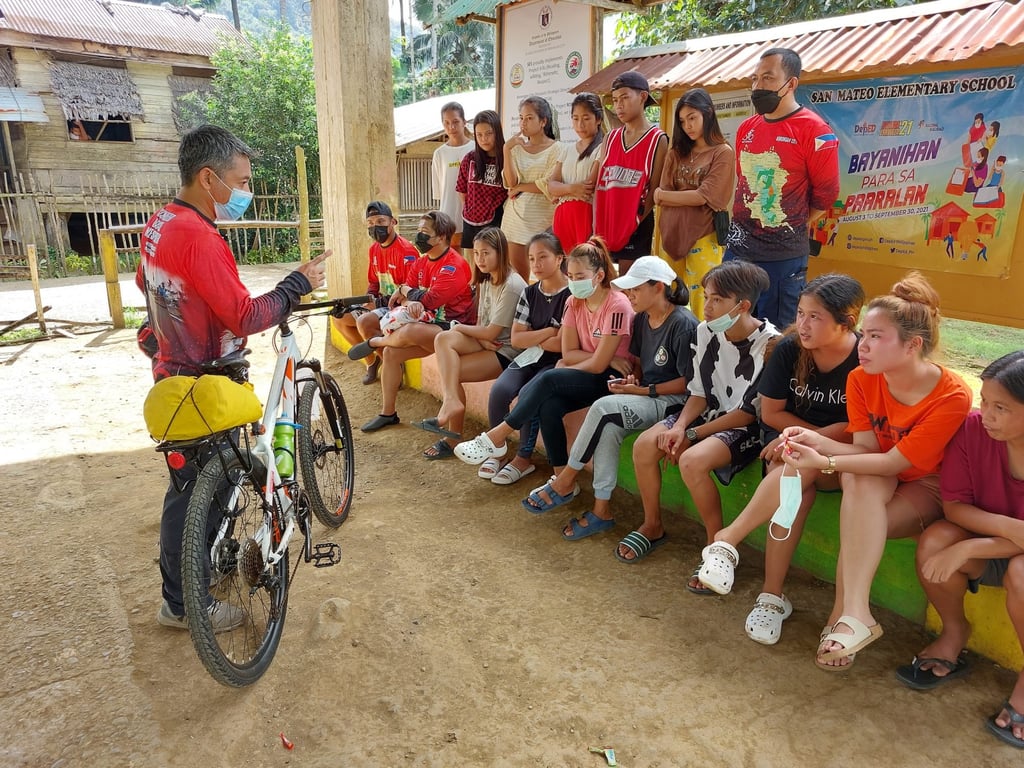
Delfin, an avid mountaineer and cyclist, subsequently wrote an impassioned Facebook post on how bicycles and mobile devices could be used to help provide access to information, communication, and essential supplies for those isolated by the storm.
He enlisted volunteer sign-ups via Facebook – some of whom eventually connected Delfin to the Philippine Air Force, allowing him and his fellow volunteer cyclists to join disaster response flights to Leyte’s Tacloban City, which was ground zero in the storm. He called his group the Bike Scouts.
The Bike Scouts managed to reach towns isolated by the typhoon, gathering data and relaying messages from evacuees to their relatives and friends. Seven teams of Bike Scouts rotated in and out, flying with the air force to serve affected areas for four months, until roads were cleared and communications restored.