Philippines’ first sexologist faces uphill task after ban against her ‘prurient’ TV show
- The ban against Rica Cruz’s show comes after authorities objected to a scene in a separate TV programme involving an LGBTQ couple
- Cruz says the ‘prurient’ label is unhelpful as it would only perpetuate shame and hinder open discussions about sex
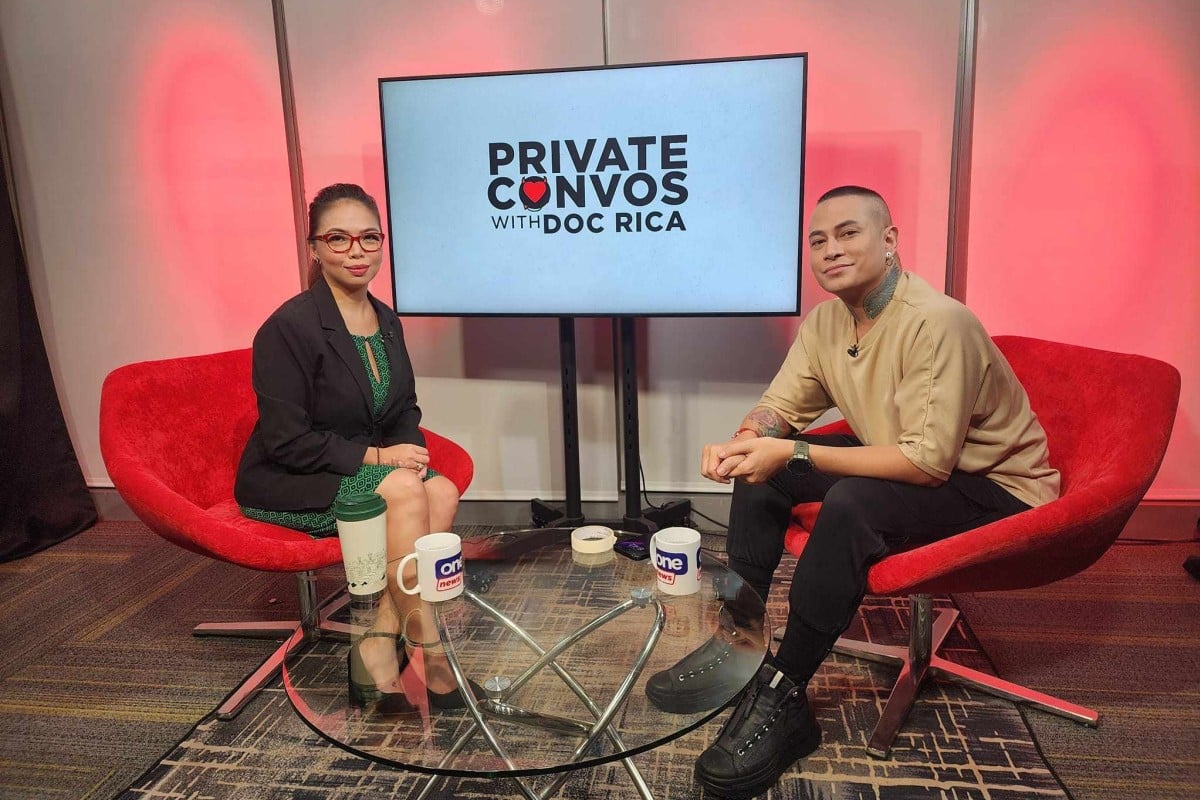
The classification board took issue with the programme’s September 6 episode, accusing show participants of discussing explicit themes such as sexual experiences and fantasies, as well as using “inappropriate language” in talking about masturbation, anal sex and oral sex.
Cruz, who is the first Filipino to be certified by the American College of Sexologists, told This Week in Asia she was shocked and saddened by the news.
She argued a distinction was needed between educational and exploitative content that sensationalised sex, instead of indiscriminately banning material that was remotely sexual.
“Labelling educational content about sex as prurient shows existing stigmas and misinformation surrounding sexuality. Such labels can perpetuate a cycle of silence and shame, hindering open and healthy discussions about sex,” Cruz warned.
The show was meant to open up conversations on sex and educate its audience about sexual health as well as related topics such as relationships, consent, and sexuality in a respectful and informative manner, Cruz said.