Advertisement
Malaysia
This Week in AsiaLifestyle & Culture

Slow train to Kelantan: the passengers embracing Malaysia’s history of rail travel

  • The ‘Jungle Train’ service, which runs along the spine of Peninsular Malaysia, is the country’s last sleeper train as cars and buses drive speed of travel
  • But rail travel is seeing a resurgence, with tracks and services upgraded to allow tourists another chance to travel one of Asia’s most scenic routes

4-MIN READ4-MIN
Passengers on the “Jungle Train” sleeper service, which rumbles 526km northwards overnight through the spine of Peninsular Malaysia to the Thai border. Photo: Amirul Ruslan
Hadi Azmi

In a world of hustle, train aficionado Amirul Ruslan revels in life in the slow lane, particularly the “Jungle Train”, the country’s last sleeper which rumbles 526km northwards overnight through the spine of the peninsula to the Thai border.

There’s a special romance and connection that emerges across slow train journeys, he explains, especially in the age of high-speed promises to shuttle people and cargo from A to B in record times.
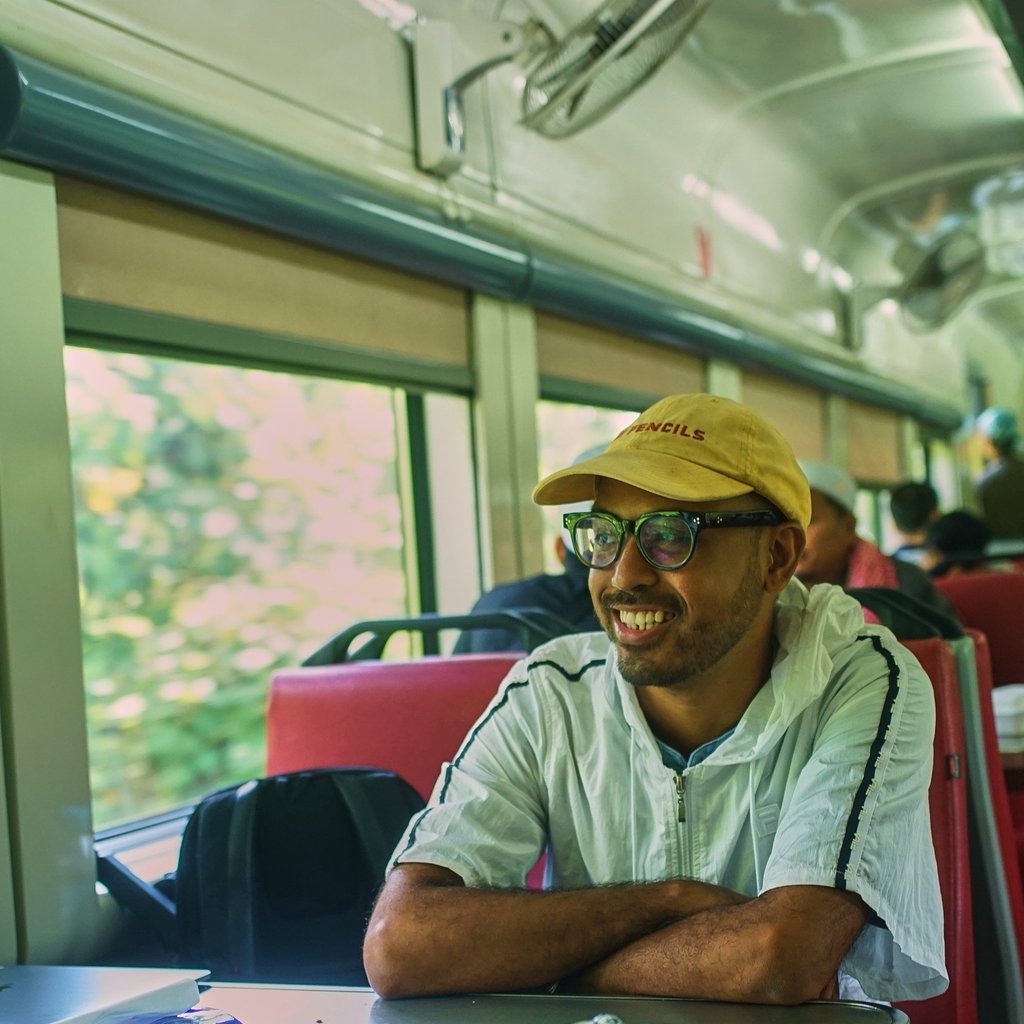
The “Jungle Train” service branches off from the busier West Coast line at the small junction town of Gemas, 110km southeast of Kuala Lumpur. With tickets as cheap as 34 ringgit (US$7.25), it then trundles north at 80km/h running along the Titiwangsa mountain range, before arriving in Tumpat, Kelantan, not far from Malaysia’s border with Thailand.
Train aficionado Amirul Ruslan, on the “Jungle Train” sleeper service. Photo: Amirul Ruslan
Spurred by his close friends moving to the Borneo half of Malaysia across the South China Sea, and another migrating out of the country, Amirul and his friends spent 22 hours up and down the Jungle Train as a farewell trip last week.
Advertisement

“There are many people to talk to … attendants, people working the dining car or other passengers,” Amirul told This Week in Asia. “Everyone was just fascinated by little cultural exchanges they picked up over the 11-hour journey.”

Long journeys were common for Malaysian rail travellers until 2010, after which the service became less a viable mode of transport for people in a rush, pushing those who could afford it to buy cars, especially after the government launched Proton in the late 1980s, Malaysia’s national car.

Advertisement
The construction of the North-South Expressway linking the entire length of Peninsular Malaysia from Singapore to Thailand slashed road journeys – and boosted safety – and cars and buses quickly became the default mode of transport for most Malaysians.
Advertisement
Select Voice
Select Speed
1.00x