Singapore approved insects as food, but can consumers stomach it?
- Edible insects have a high nutrient content, require less feed and emit fewer greenhouse gases than livestock – but aren’t as appealing

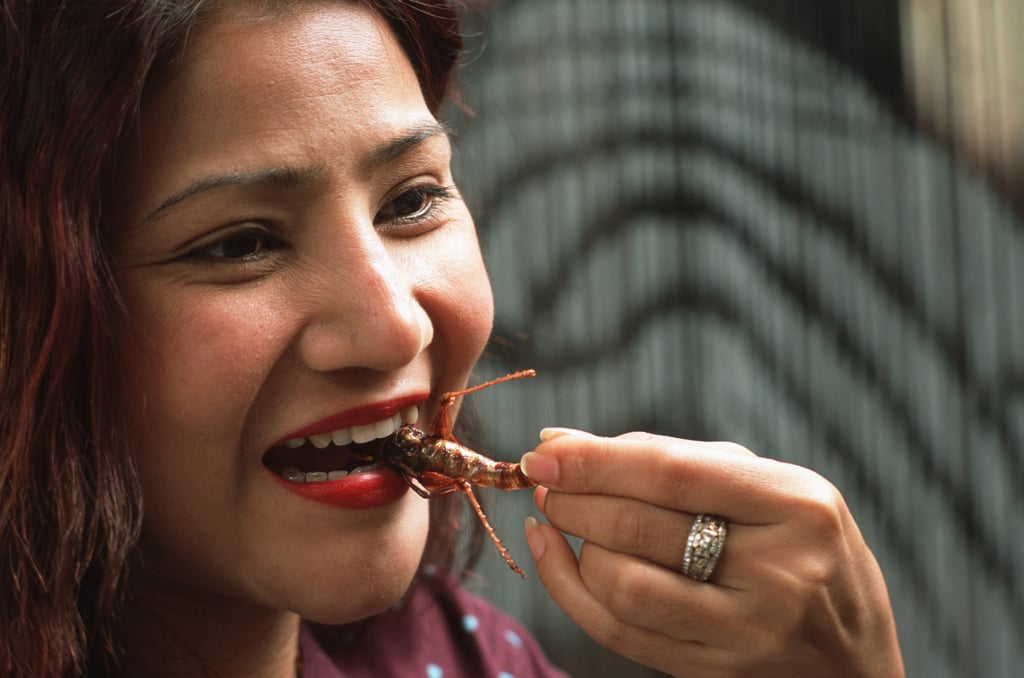
On Monday, the Singapore Food Agency announced that it allowed the import of insects and insect products, which pose “low regulatory concern”. The list of approved species includes various types of crickets, mealworms, grasshoppers, locusts, and silkworms.
The food agency said those planning to import or farm insects for human consumption must meet guidelines, which include providing documentary proof that the products are manufactured in regulated facilities with food safety controls and are not harvested from the wild.
Singapore, which imports most of its food, hopes to meet its “30 by 30” goal, which involves locally producing 30 per cent of its nutritional needs by 2030. This initiative aims to reduce the city state’s dependence on food imports and mitigate potential supply disruptions.
Food scientist Tan Sze Sze praised the move as a significant step in strengthening the country’s food security.
“It further diversifies the food choices available. Moreover, since insect farming requires less land and fewer resources, it could be a viable farming option in land-scarce Singapore,” said Tan.