South Korea’s ‘Warmth Mailbox’ delivers handwritten hope in an age of digital loneliness
The project sees volunteers answer letters from anonymous strangers with pen, paper and empathy

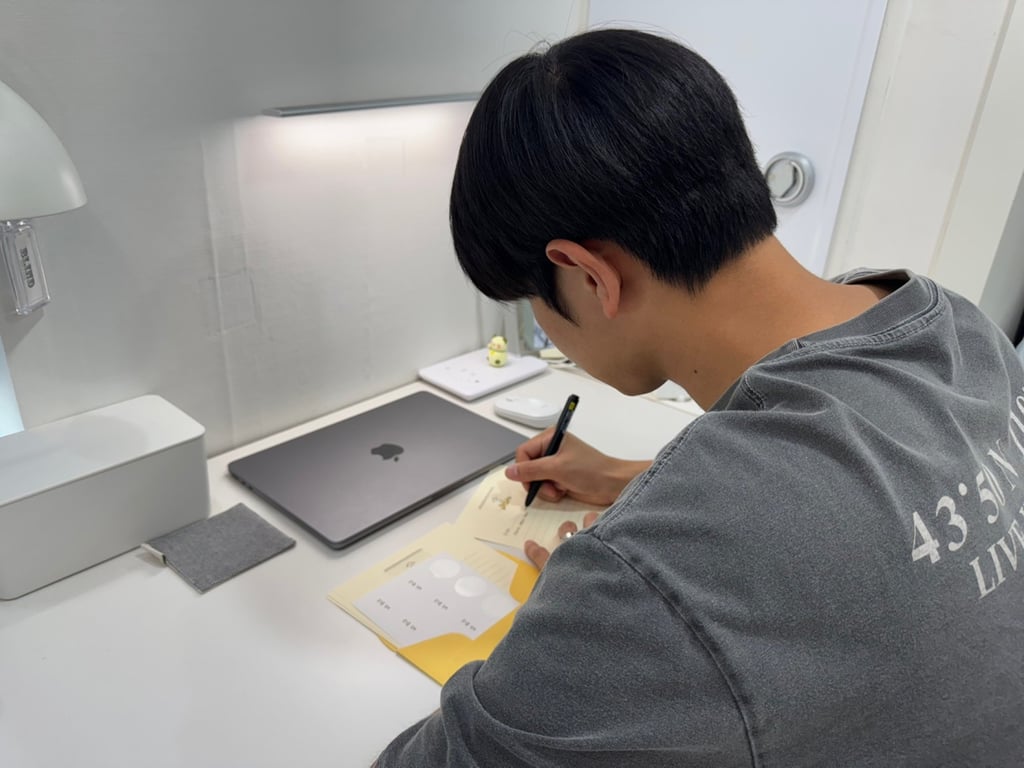
Every night, 25-year-old student Jeong Seung-won sits at his desk, pen in hand, reading scanned images of handwritten letters posted on a website called Ongi Woopyeonham – Korean for “Warmth Mailbox”.
The letters come from anonymous strangers: teenagers overwhelmed by school, retirees struggling with loneliness, or others simply seeking someone to listen.
“It’s a compilation of people’s fears, concerns and deepest regrets,” Jeong said.
But what makes Warmth Mailbox more than just a place to vent is what comes next: each letter receives a two- to three-page handwritten reply from a trained volunteer, like Jeong, offering empathy, reflection and, most of all, connection.
Launched in 2017 by Seoul-based charity Ongi, the Warmth Mailbox project has spread across the country, with more than 80 drop-off points installed in coffee shops, cinemas, parks, hospitals and university campuses.