Malaysia’s illegal firework trade draws flak after ‘coconut’ explosive injures 22
The ‘kelapa’ firecracker blast in Kulim, northern Kedah state, during Diwali celebrations left one man with a fractured skull

The explosion in Kulim, northern Kedah state, left one man with a fractured skull while others suffered burns and broken bones, police said. Unconfirmed local media reports said other injuries included severed fingers and permanent hearing loss.
Kulim district police chief Superintendent Zulkifli Azizan said two men, aged 23 and 34, were arrested on suspicion of setting off the “large kelapa-type firecracker” bought for 200 ringgit (US$47) from a roadside stall.
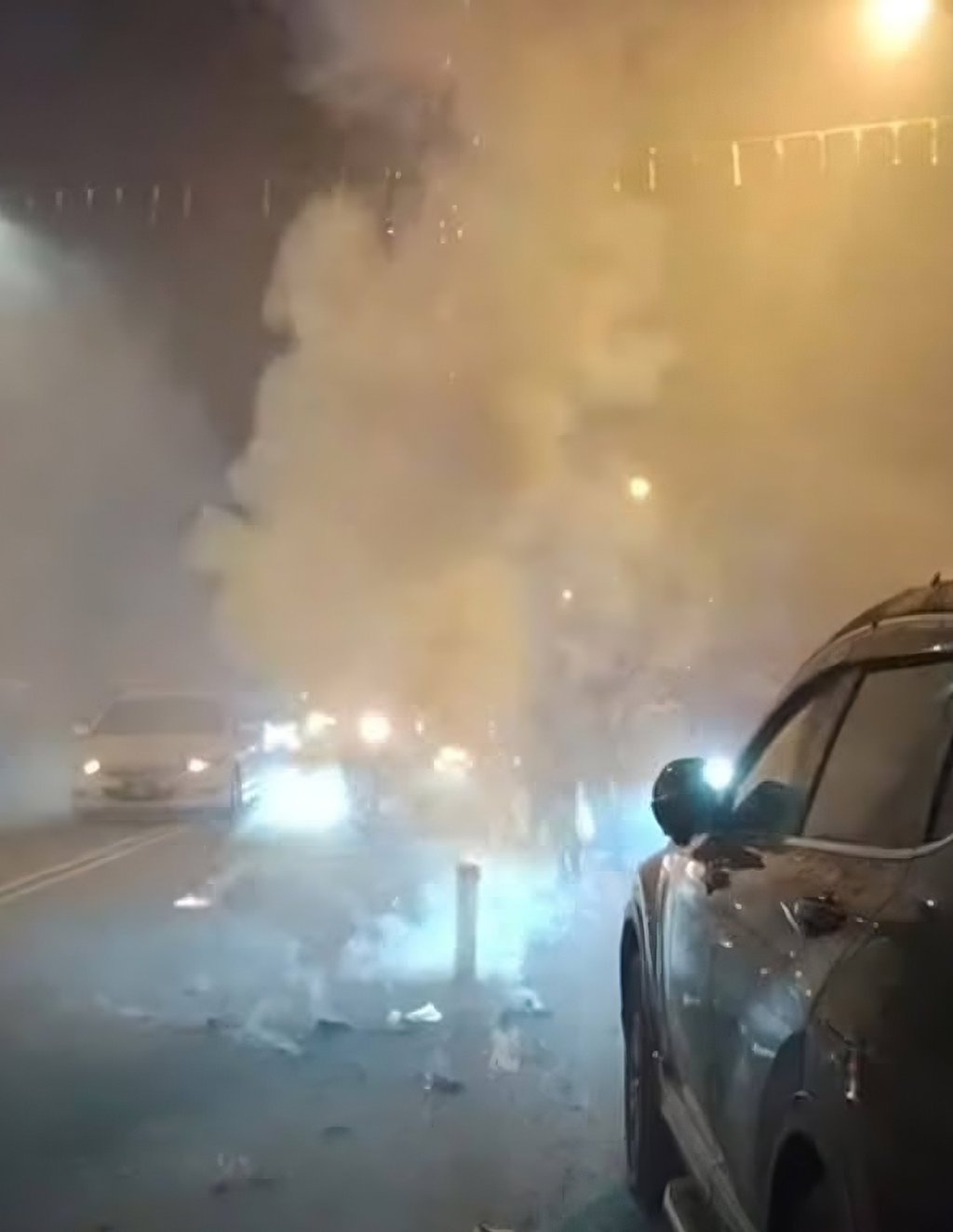
“One of them, who was intoxicated at the time, placed the explosive into a roadside cylinder. The other suspect then lit it,” he said in a statement late on Monday, citing a 22-second video of the incident.
“However, it failed to launch and instead exploded at ground level after it was believed to have been placed upside down.”
Coconut-shaped kelapa explosives are a common sight in Malaysia during celebrations such as Diwali, the Hindu festival of lights. They are frequently sold online and at roadside stalls, despite being banned. Kelapa means coconut in Malay.
Police said the seller had been identified and would be summoned for questioning. Under Malaysia’s Explosives Act 1957, offenders face up to seven years in prison or a 10,000 ringgit fine.