Advertisement
Artificial intelligence
This Week in AsiaLifestyle & Culture

Southeast Asia is chasing the AI boom, but at what cost?

A regional dash for digital dominance risks running headlong into an energy crunch and an existential threat to jobs

7-MIN READ7-MIN
Listen
Illustration: Huy Truong
Joseph SipalanandIman Muttaqin Yusof
In a swanky penthouse office outside Kuala Lumpur, tech firm Zetrix AI is putting a grand plan into motion to get 1 million people across Southeast Asia using its artificial intelligence agent, Avatar, by the end of the year.

Designed as an autonomous alter ego, Avatar is adept at dealing with tasks ranging from the mundane, like filling out forms, to the particular, such as helping influencers reply to thousands of social media messages.

The ultimate goal, according to the company’s Gen Z mastermind, is to have these Avatars deal autonomously with other AI agents for day-to-day tasks, requiring human input only for final decisions.
Advertisement

Zetrix hopes that by moving fast it can seize market share in a space that grows more competitive by the day, if not the hour.

“AI will play a very fundamental role in our lives,” said C.Z. Wong, the 23-year-old developer of Avatar and Zetrix’s chief AI officer. “Regardless of whether we want it or not.”

Advertisement

“Everyone has different forecasts, but personally … at the rate things are going, five years is my estimate for when AI becomes mainstream.”
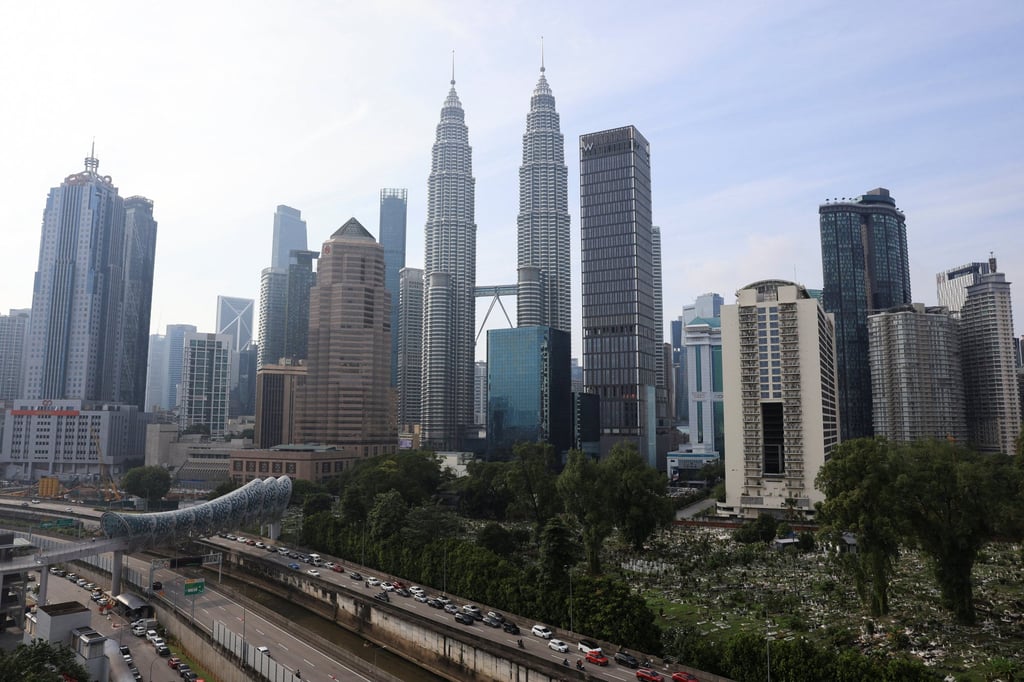
Kuala Lumpur’s skyline in Malaysia. International bank Standard Chartered has said AI will replace more than 7,000 back-office roles in India, Malaysia and Poland by 2030. Photo: Reuters
Advertisement
Select Voice
Select Speed
1.00x