
Abacus | From Hong Kong to India, two ideas of social welfare that will never get off the ground
As HK chief executive hopeful John Tsang flirts with the idea of a negative income tax, Prime Minister Narendra Modi is considering a universal basic income

All of a sudden, Asia is talking about welfare. For years the region’s policymakers dismissed the idea of state welfare as somehow un-Asian. Public schemes to dole out benefits to the poor were regarded as a flabby Western idea; a corrosive and alien notion in a region renowned for its can-do attitude to work and its strong culture of supportive family ties.
Lately that has begun to change. Worried about persistent poverty and rising inequality, politicians in some Asian countries have concluded a comprehensive safety net is now needed to ensure social stability and future economic development. In other Asian countries, troubled by falling birth rates and increasing life expectancy, policymakers worry that without state help, a diminishing workforce will no longer be able to support a growing army of elderly.
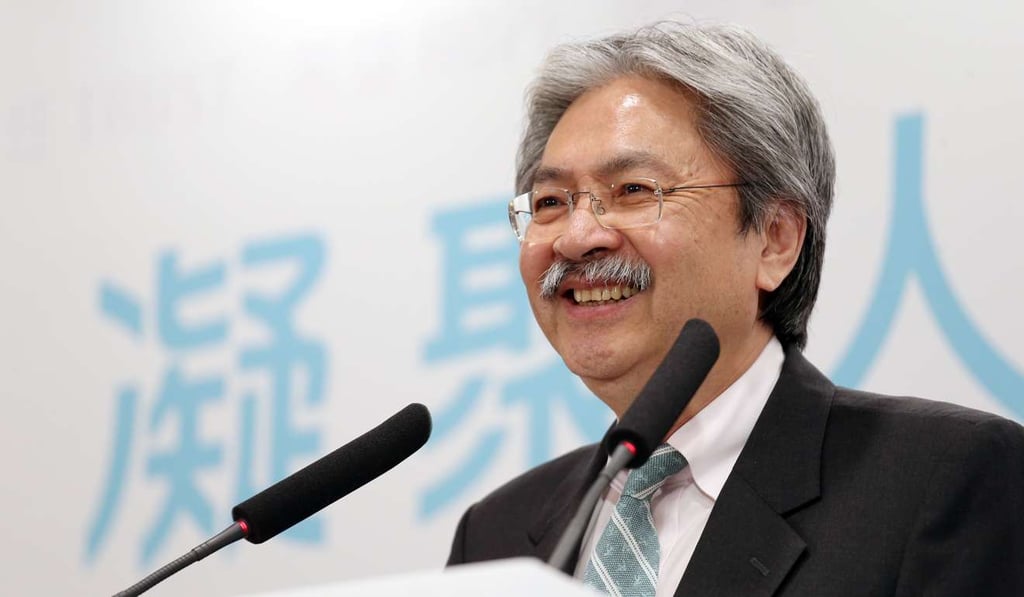
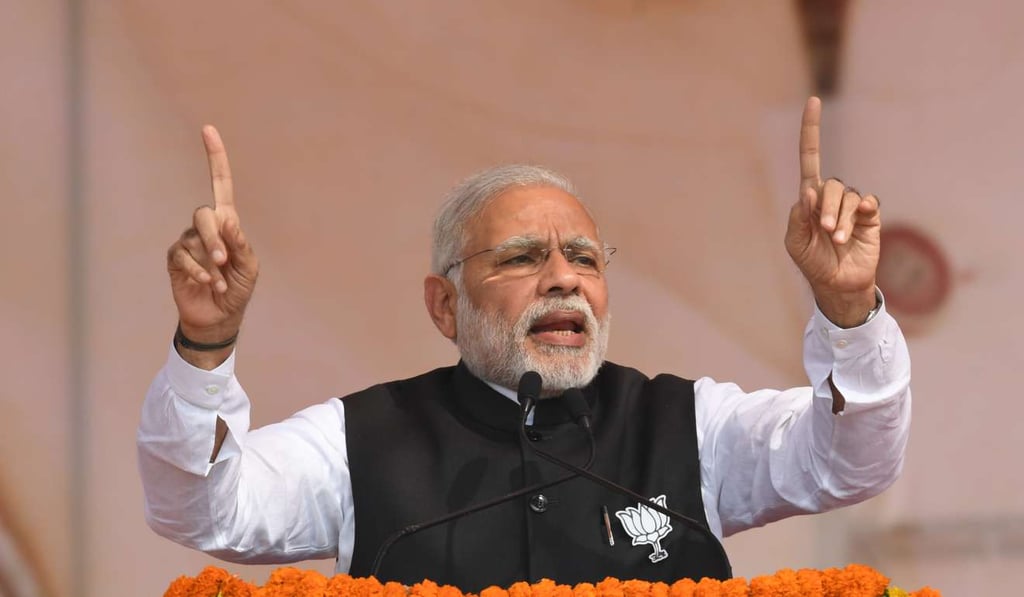
Either way, Asia’s politicians are increasingly proposing innovative schemes to distribute public welfare. Last week, for example, the former Hong Kong financial secretary and would-be government chief executive John Tsang (above) suggested the city should consider introducing a negative income tax. Days earlier, the chief economic adviser to Indian Prime Minister Narendra Modi laid out proposals for a universal basic income. Both ideas merit attention. Each has advantages, each has drawbacks.
In Hong Kong, Tsang provided no details at all about what he had in mind. But in theory, a negative income tax works something like this: the government decides a personal income threshold, say HK$8,000 a month, below which it will apply a negative tax rate of 50 per cent. So, a worker earning HK$6,000 a month who falls HK$2,000 short of the threshold earns a negative tax of 50 per cent on that shortfall. In effect, this means the government tops up his or her earnings by HK$1,000 a month. As a result, the worker actually takes home HK$7,000. Under this scheme, someone who has no earned income at all would be granted a negative tax of 50 per cent on the full HK$8,000 shortfall, which they would get as a HK$4,000 a month dole from the government. And it just so happens that HK$4,000 a month is roughly where the Hong Kong government has determined the city’s poverty line to be. Bingo, poverty eliminated at a stroke.