AbacusWen and now: China’s economy is still ‘unsustainable’
Beijing’s policies have done little to correct course since the pre-Olympics economic crisis of 2007 – if anything, a turn towards housing investment will only make matters worse

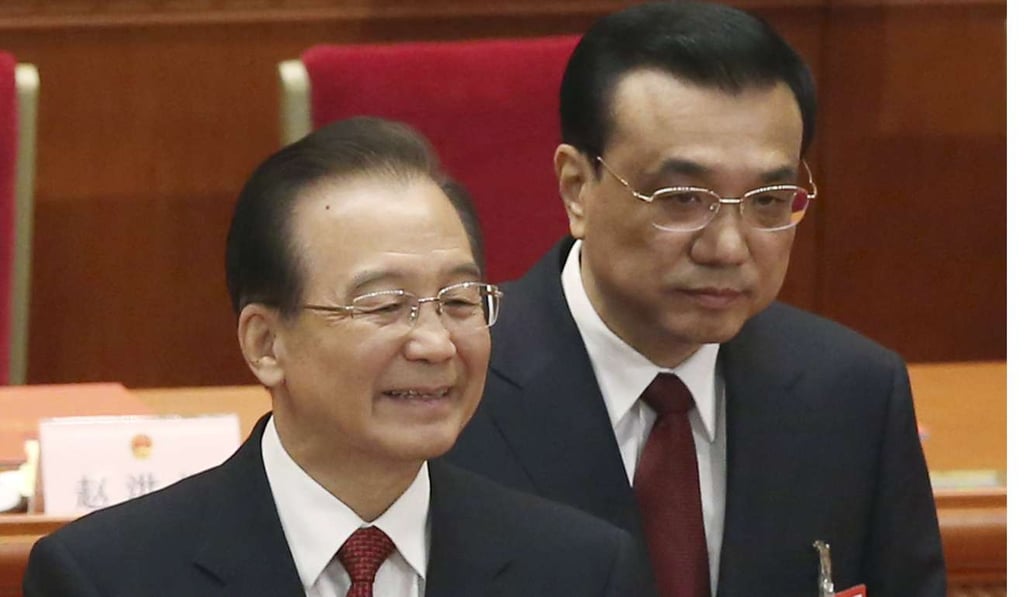
Early in 2007, Wen Jiabao (溫家寶), premier of China at the time, declared that the country’s economic growth trajectory was “unstable, unbalanced, uncoordinated and unsustainable”. Now, 10 years on, it’s instructive to revisit Wen’s warning and see what has changed. At the time, he was worried by a long and daunting list of problems that included overinvestment, reckless lending, excessive liquidity, unbalanced foreign trade, inequality between cities and the countryside, inefficient energy use, wasteful allocation of resources and environmental ruin.
Many of these problems were blamed on a hell-for-leather investment binge ahead of the 2008 Beijing Olympics. The construction of everything from shopping malls in Shanghai to new local government offices in Inner Mongolia was tied somehow by backers to the summer Games, largely in the pursuit of cheap financing from state banks.
Why China’s ‘One Belt, One Road’ plan is doomed to fail
As a result, in 2007 investment made up 38.7 per cent of China’s gross domestic product (GDP), while household consumption contributed just 36.7 per cent. Observers fretted the imbalance was storing up problems for the future. Such heavy credit-fuelled investment, they warned, would inevitably lead to the widespread misallocation of capital to projects that would never generate an economic return.
The upshot would be a rash of defaults, possibly leading to a banking crisis and recession. To avoid that fate, Beijing would have to rein in credit and investment growth, which in turn would lead to a slowdown in overall economic growth.
But things didn’t work out like that. Instead, the following year the international financial crisis struck. To counter the slowdown in global trade, Beijing opened the credit taps even wider, and fixed asset investment surged an astonishing 33 per cent in 2009.
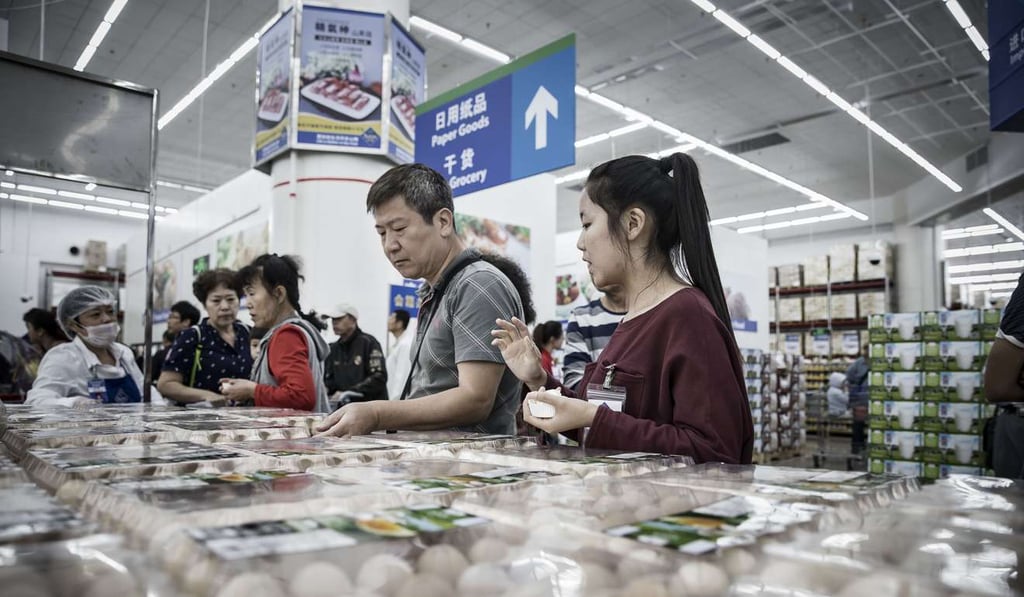
Since then, investment growth has slowed – it had to. But that doesn’t mean the Chinese economy has successfully rebalanced towards consumer demand. As investment growth slowed, so too did household consumption. As a result, in 2015 investment made up 43.3 per cent of China’s GDP, household consumption 38 per cent.