Asian AngleChinese and Indian toilet revolutions look to Singapore’s bottom line
The Lion City’s founding father Lee Kuan Yew realised sanitation was key to good health, productivity and dignity. Now Xi Jinping and Narendra Modi are lifting the lid on their own plans to revolutionise sanitation
PresidentXi Jinping has called for a “toilet revolution”, which will be the centrepiece of his “new countryside” drive. The goal is to improve the quality of life of the country’s 600 million villagers – the same number of people that India’s Narendra Modi is trying to wean from open defecation in India.
After riding to power in May 2014, the Indian prime minister launched the Swachh Bharat (Clean India) campaign with the aim of eradicating open defecation by 2019. The national campaign spans 4,042 cities and towns and includes the construction of 110 million toilets, the largest toilet building programme in the history of mankind.
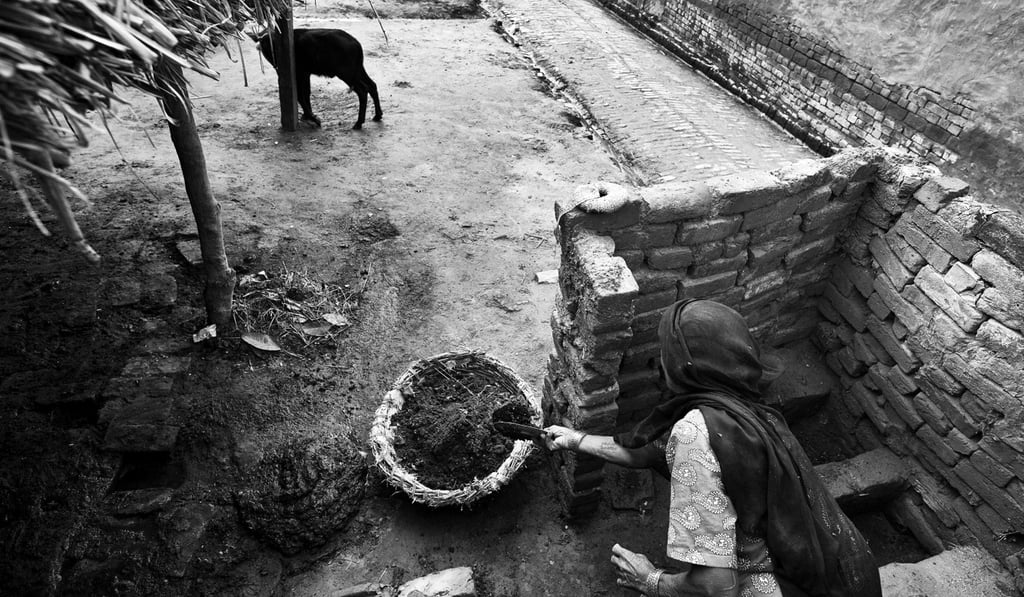
A worker cleans a toilet in Nekpur village, Uttar Pradesh, India. File photo
So why are the leaders of the world’s two biggest countries making toilets a cornerstone of their legacies? The answer could lie in tiny Singapore.
Advertisement
As an independent nation state in 1965, Singapore was born into poverty. Lee Kuan Yew, the country’s first prime minister and founding father, who wanted to build a strong and prosperous nation, quickly understood the power of sanitation. Public health was poor and there were frequent outbreaks of cholera, typhoid and other waterborne diseases. Lee knew a sick nation couldn’t be productive but Singapore didn’t have the time or resources to build an expensive curative health care system. So he invested in toilet hygiene and clean water as a preventive health strategy, which was much cheaper and far more effective.
A public toilet in Singapore. Photo: AFP
From Lee to Modi and Xi, the logic for investing in toilets is simple. One, toilets are the world’s cheapest medicine. Sanitation was voted the greatest medical milestone of the last 150 years in a poll by the British Medical Journal – higher than vaccines, antibiotics and anaesthesia, because passive protection against health hazards is often the best way to improve a population’s health.
Two, toilets are GDP boosters. China and India, with their rich historic architectures, deep and diverse cultures and natural landscapes should be able to attract huge amounts of tourists as toilets become more widespread and accessible. Until now, dirty toilets or the absence of toilets altogether has been a tourism choke point.
WATCH: President Xi Jinping orders multibillion-yuan toilet revolution