AbacusSuez Canal and Hambantota: spot the difference
History shows debt-funded infrastructure projects have a nasty tendency to evolve into imperial debt servitude. Countries like Sri Lanka should take note when embracing China’s Belt and Road Initiative

Last week China’s foreign minister Wang Yi was obliged to come out in defence of Beijing’s practice of making hefty loans to developing countries, increasing their debt burdens. Unlike debts to Western countries, the developing world’s debts to China are benign, he insisted. Wang was speaking in Luanda, the capital of Angola, days after the African oil-exporter was forced to devalue its currency, the kwanza. Faced with dwindling foreign reserves and a mounting balance of payments crisis after its foreign debt – much of it to China – more than doubled in five years, the Angolan government had no option but to abandon the defence of the kwanza’s exchange rate and allow the currency to collapse.
Letting the currency sink won’t diminish the size of Angola’s foreign debt. But it will shrink the size of the government’s domestic liabilities relative to its oil revenues, freeing hard currency to service its external debt pile. In effect, the Angolan government is impoverishing its own people to pay its foreign creditors.
Clearly, Wang is sensitive to criticism over the role of Beijing’s loans in the crisis. In a statement the foreign ministry declared that “China had a painful experience of having its economy under the control of foreign countries … Therefore China will never do what the Western countries have done or impose its will on others.”
There’s an imperial elephant in the room: China
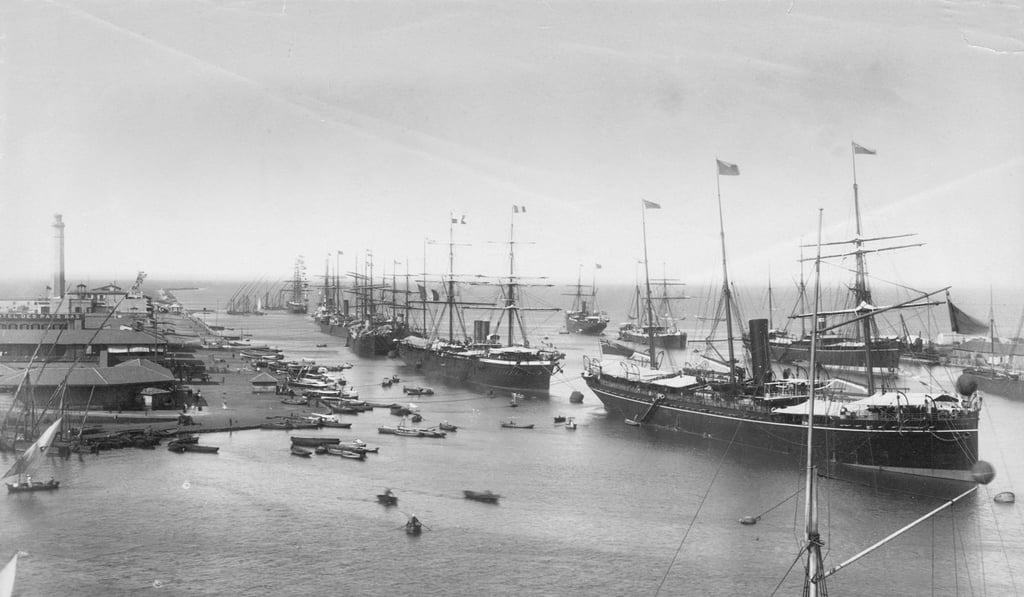
There is no shortage of examples, but perhaps the most striking is the modern history of Egypt. In the mid-19th century, the rulers of Egypt, the khedives – nominally viceroys of the Ottoman sultans, but in effect monarchs in their own right – looked towards Europe enviously. With abundant resources and human capital, Egypt should be just as wealthy and developed as the European powers, they decided. The key was modern infrastructure.