OpinionAs Koreas, China and India talk peace, is this Asia’s moment? Not so fast
Leaders may have come together to forge a path away from external influence, but they are still operating under Western constructs for growth – perhaps now more firmly than the West itself

Arguably, it was the meeting between the leaders of the two smaller countries that carried the greatest immediate significance, if nothing else because they sought a formal end to a state of war that has existed since 1950 and “complete denuclearisation” of the Korean peninsula, while the India-China summit promised not even a joint statement of what was on the agenda between their two leaders. And yet, as many have argued for decades, there is no “Asian Century” without India and China working together and living in peace.
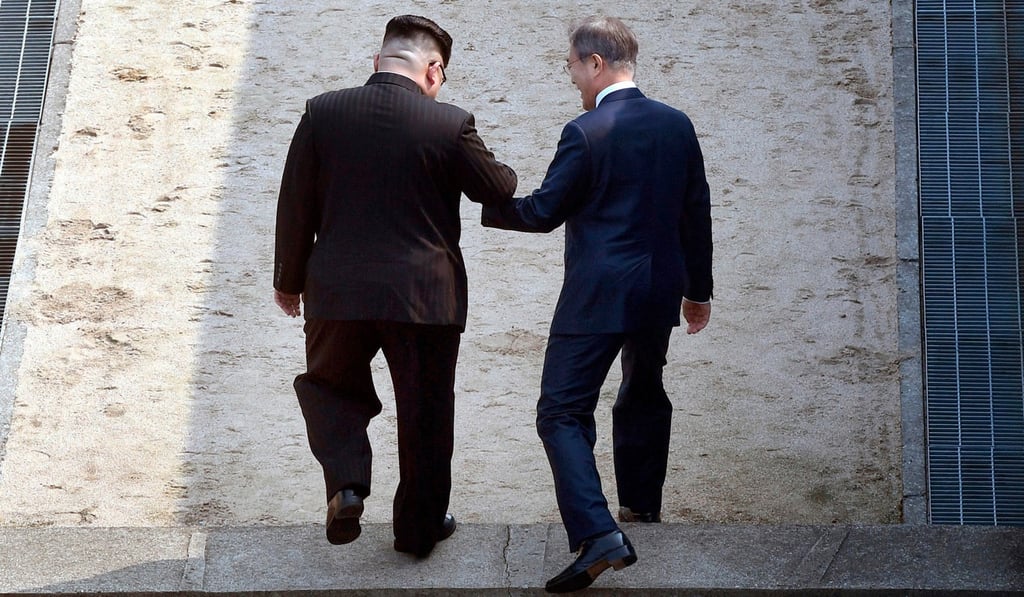
Therefore, if the Modi-Xi “informal summit” truly paves the way for greater understanding and trust between the political and security establishments of the two countries, it is this summit that will have the greater longer-term significance for Asia and the world.
The two summits and the positive vibes they bring, or seek to promote, also bring attention back to questions that have engaged sections of the intellectual and political elites in the region for well over a century: what of “Asian unity” or of an “Asian federation” and why have these remained so difficult to attain when there exist the Mercusor, Nafta, EU and the African Union?