AbacusIt’s not 2008. Don’t look to Beijing for a big stimulus programme
A strong dollar, weak commodities and slowing growth have left some hoping Beijing will step on the accelerator. But the Chinese economy has changed – and besides, it already has all the flashy infrastructure it needs

Faced with a slowing domestic economy and the risk of a damaging escalation in its trade conflict with the United States, Beijing is once again preparing to open the stimulus taps in order to boost growth, believe many observers.
They are likely to be disappointed. This is not 2008, and the Chinese economy has changed in the intervening years.
Today Beijing would face considerable economic and political obstacles in rolling out a 2008-09 style stimulus effort, even on a smaller scale.
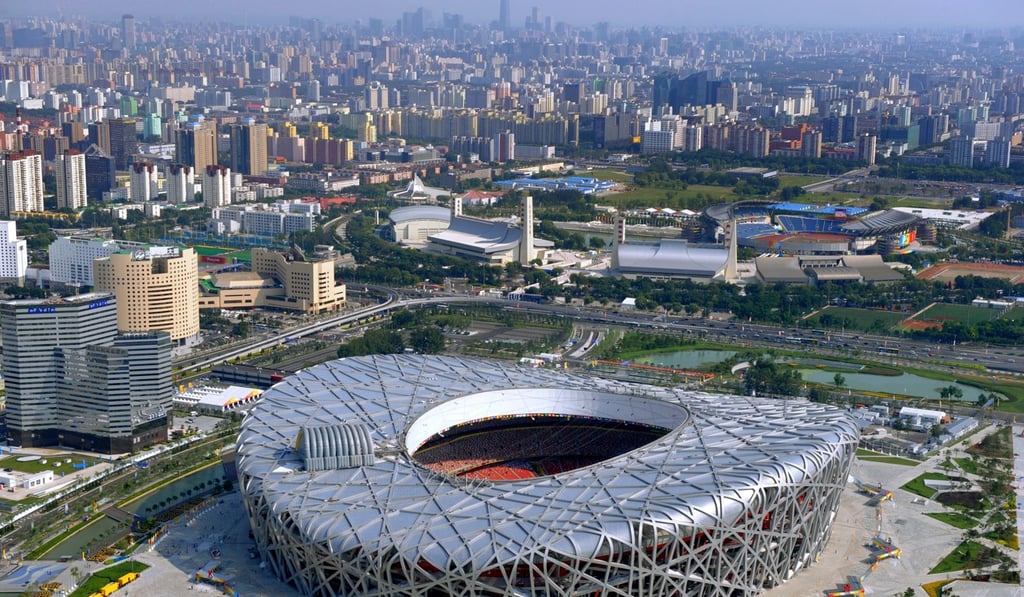
Back then, Beijing instructed China’s financial system to ramp up its lending, and ordered state-owned companies and local governments to borrow more to step up their investment programmes. They didn’t need telling twice. The result was an enormous debt-funded investment boom that saw new highways, airports, railways, power stations, and even whole new cities spring up all over China.
In 2009, China spent almost 5 trillion yuan (HK$5.7 trillion) more on fixed asset investment than it did in 2008, a year in which investment spending was already bloated by a rash of projects linked – often spuriously – to the Beijing Olympics. That additional investment, equal to almost 15 per cent of China’s gross domestic product at the time, didn’t just goose up growth in China. The demand for materials generated by the construction of all those airports and office buildings pushed the prices of industrial commodities higher. Copper, for example, shot up from US$2,800 a tonne at the end of 2008 to more than US$10,000 two years later.