China BriefingWhy are so many Chinese officials killing themselves?
- No wonder China’s officials are depressed. They had to say goodbye to easy lives and then to lavish lifestyles.
- Now they’ve said hello to endless paperwork and a sea of meetings. And if that wasn’t enough, there’s Xi’s relentless anti-graft campaign

With more than one million officials already punished, Xi and his right-hand man Vice-President Wang Qishan have made notable progress in taming what was once rampant official corruption and thereby achieving the first of three goals in ensuring officials “dare not, cannot, and do not want to be corrupt”.
But the high-profile and heavy handed campaign has produced unpleasant side effects. One side effect, already well-documented, is paralysis of the country’s massive bureaucracy, which has made policymaking and implementation slow and frustrating.
Now an even more alarming trend has emerged. Over the past few years, a rising number of officials – from the central government to local authorities – have died what the state media calls “abnormal deaths”, with most reportedly committing suicide.
This month alone, at least six local officials are reported to have taken their own lives, including an official in charge of social security in the city of Wafangdian in Liaoning (who jumped to death from his office), an official in charge of municipal finance in Shifang of Sichuan, an official formerly in charge of cyber administration in Heilongjiang province, and a deputy mayor of Hohhot, the capital city of Inner Mongolia (all of whom hanged themselves in their offices).
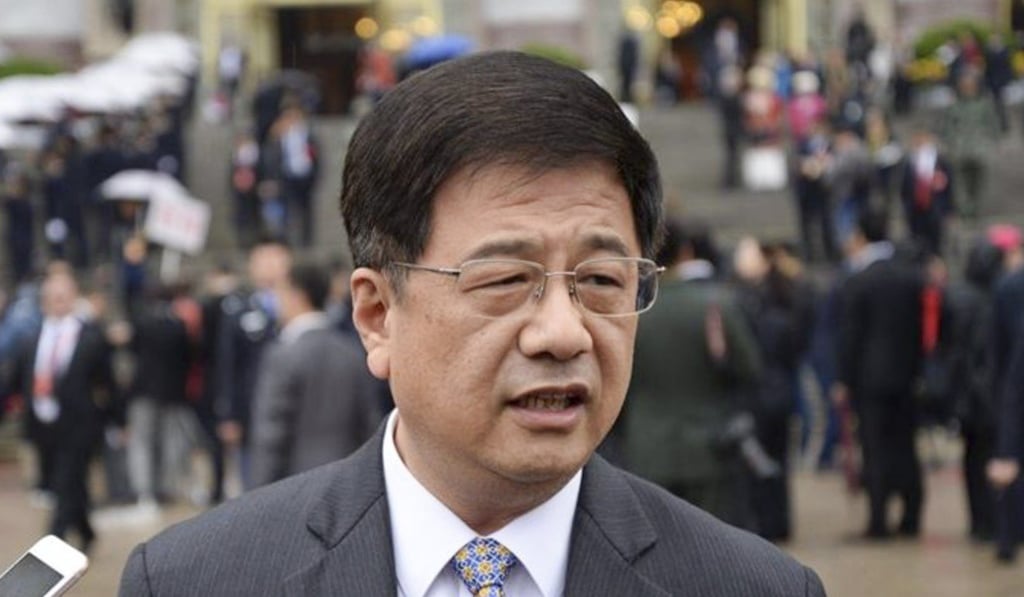
Last month, Zheng Xiaosong, head of the Chinese government’s liaison office in Macau – who had a ranking equivalent to a cabinet minister – jumped to death from his apartment in the city, sending shocks through Macau, Hong Kong, and Beijing due to his senior position and influence. The authorities said he suffered from depression, although people who knew him remembered him as outgoing and a riotous tippler.