Advertisement

Ceritalah | China’s insatiable appetite for durian swallows Malaysian tribal lands
- Chinese demand has sent prices of the pungent fruit soaring, earning growers huge profits. But at what cost to the environment and indigenous peoples?
Reading Time:3 minutes
Why you can trust SCMP

Is durian the ‘king of fruit’, or is it a curse? Rising demand – especially from Chinese consumers – for its supremely pungent and sticky flesh is driving up prices across Southeast Asia.
Between 2013 and 2017, the price of the popular durian hybrid Musang King almost tripled from US$9 to U$22 per kg.
Advertisement
Exports of this valuable fruit have boomed. In 2016, Thailand was leading the way with US$495 million in durian exports while Malaysia trailed with a mere US$18 million. By early 2017, however, the latter had secured a deal to export whole fresh durians to China.
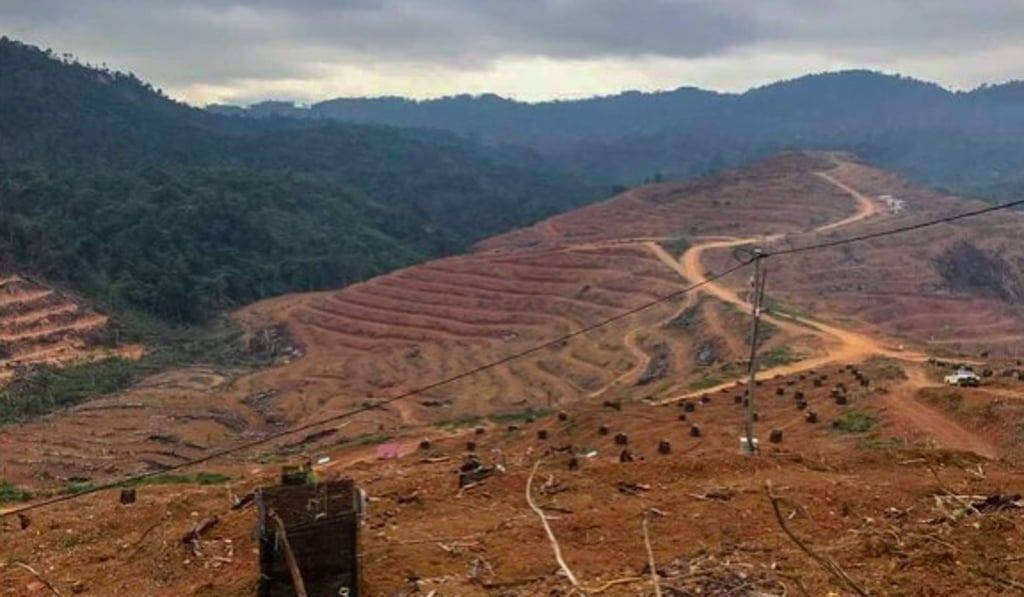
Durian can also be extremely profitable – earning growers more than nine times the modest US$4,200 per hectare that palm oil cultivation brings in each year. This fact has sparked off an unseemly land-grab as corporate giants muscle in on the cultivation of the fruit.
Whilst there are almost 200 known durian hybrids in Malaysia alone, Musang King – primarily grown in Kelantan’s isolated Gua Musang district – is the most sought-after. Indeed, durian aficionados (much like wine-lovers) treasure the district’s distinctive terroir – its potassium-rich soil and abundance of insect life.
Advertisement
Select Voice
Choose your listening speed
Get through articles 2x faster
1.25x
250 WPM
Slow
Average
Fast
1.25x