Asian AngleIndonesia election: Joko Widodo’s latest challenge may come from people refusing to vote
- Supporters are abandoning the president amid signs his stance on human rights violations is weakening.
- But with his opponent Prabowo Subianto among those accused of abuses, some believe the best way of voting may be not to vote at all

On April 17, 2019, Indonesians will go to the polls and choose their next president, or maybe not, if they choose to Golput.– the act of casting a blank vote, or abstaining from voting. This usually serves as a sign from the electorate that the candidates do not deserve their votes.
Statements on social media supporting a Golput stance escalated after the first televised presidential debate on the issues of human rights, corruption and terrorism. It reflected the disappointment of a segment of the political public with Joko Widodo, the incumbent who won the election five years ago.
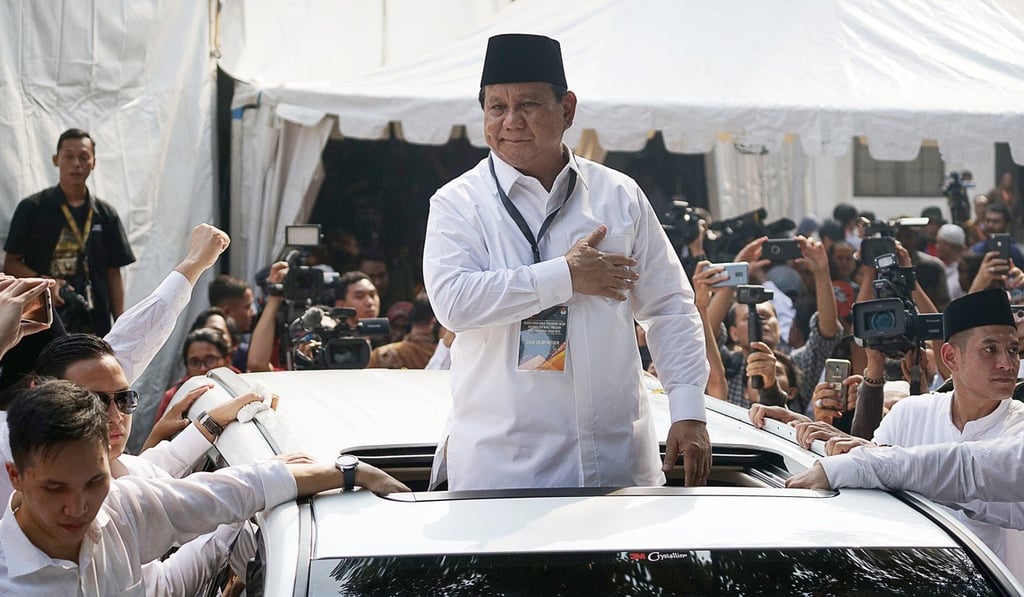
While this segment of the political public had no expectations of Widodo’s opponent, Prabowo Subianto, a former general who has been accused of human rights violations, as a defender of human rights, they still hoped Widodo would take a strong stand on resolving past human rights abuses – some of them perpetrated under the rule of former dictator Suharto – and intervene to stop current and future abuses.
Instead, Widodo’s statements on the matter were equivocal. While making the same promise he made in 2014 that past human rights violations would be “settled” in the future, he qualified his words with the statement: “It is not easy to settle these issues, because of the legal complexities, issues of evidence and because too much time has passed.”