Churchill’s real Darkest Hour: new evidence confirms British leader’s role in murdering 3 million Bengalis
- Soil sampling from the period of the second world war was reported in a science journal, concluding that the Bengali famine of the 1940s was caused only by ‘complete policy failure’. And it’s not the only evidence out there
- But last year, a Churchill biopic glorifying the former British PM was nominated for top honours at the Oscars

When a team of researchers in India and the US led by Professor Vimal Mishra reconstructed the soil samples for Bengal in 1943, a period in which 3 million Bengalis died from famine, they found moisture levels in the soil were more than the normal. For five other periods of famine, from 1870 to 2016, Mishra and his colleagues found evidence of drought in the soil samples they created, using meteorological data. But the 1943 famine was due to “complete policy failure”, they write.
As the prime minister of Britain from 1940 to 45, Churchill was responsible for the administration of India, which gained freedom from the British in 1947. This means Churchill is guilty of the same crime that Adolf Hitler – his enemy in the second world war – is: genocide. The official figure for those killed in the Holocaust from 1933 to 1945 is 12 million. Churchill presided over the deaths of at least 3 million in 1943. If such horrific crimes can be compared, the incidence of Churchill’s mass murder is far higher than Hitler’s.
The term genocide was coined by the Polish lawyer Raphael Lemkin, a Jewish man who fled the Holocaust, by combining the Greek word “genus”, meaning race or tribe, and the Latin word “cide”, meaning killing. It refers to the destruction of a nation or an ethnic group. It means targeted killing, and this is as true of Churchill as it is of Hitler, who sent Jews, communists, the Roma and homosexual people to death among others. For Churchill, it was the death of Indian colonial subjects that he did not care about.
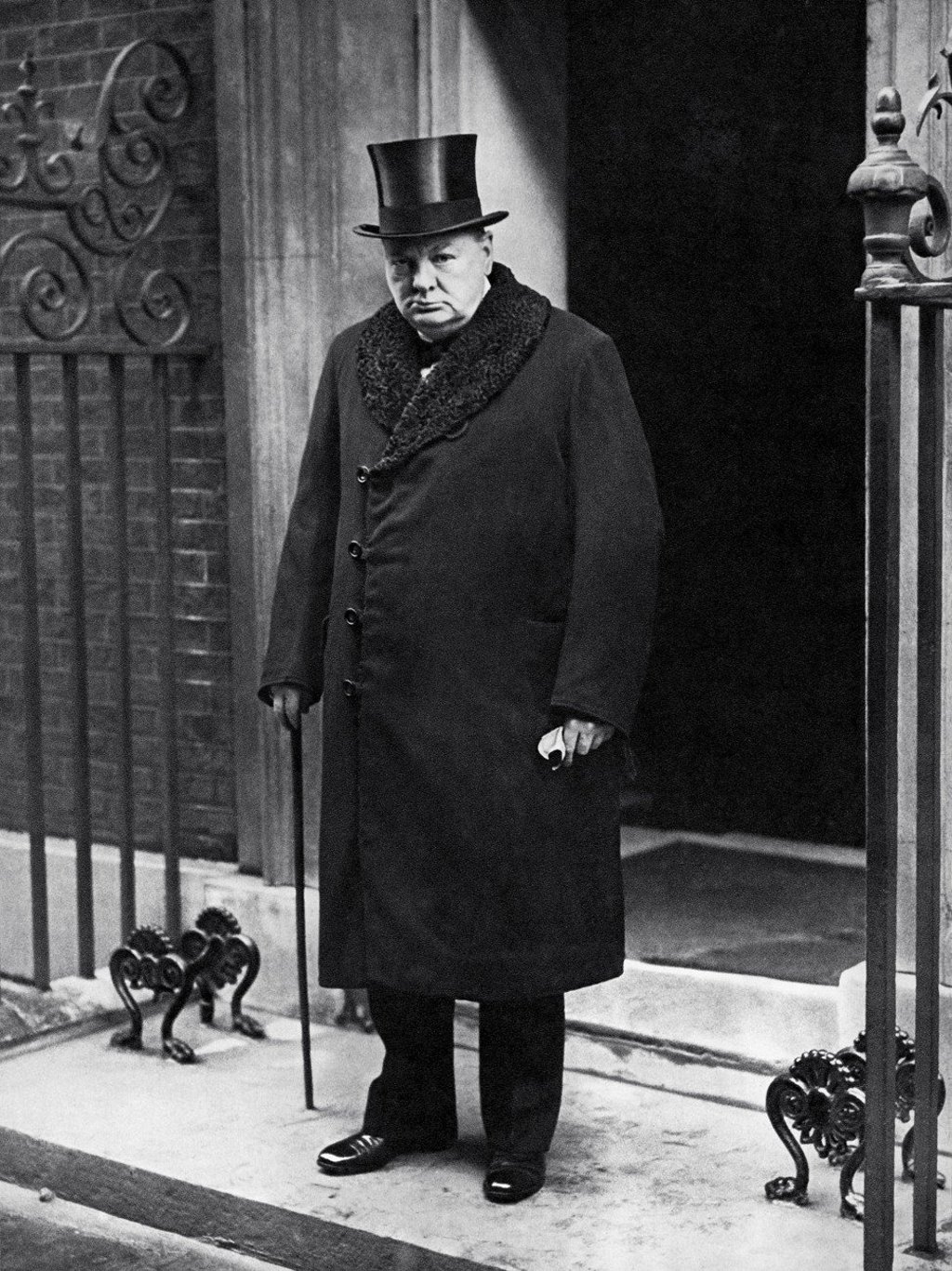
In the UK, war rations from 1940 included butter, ham and bacon, and later, tea, cheese and margarine. In Bengal, people died begging for the starch made when boiling rice. These were the stories I grew up hearing as a Bengali; these stories haunt every meal I still eat.
Before Mishra et al’s paper, there was the Nobel Laureate Amartya Sen’s book, called Poverty and Famines. Here, he argued that famine resulted from people not “getting” enough to eat, not from not “having” enough to eat. The difference between the verbs “get” and “have” points to the responsibility of the British colonial government. Sen actually lived through the Bengal famine himself; he was nine years old in 1943. Poverty and Famines is the work for which he is believed to have won the Nobel Prize for Economics in 1998.