
CeritalahIndia election: like the profit margins on a lassi, Modi’s magic has evaporated
- The chattering classes see the upcoming vote as a struggle between the BJP’s Hindutva agenda and Gandhi’s socialist dreams.
- But for most people it’s all about jobs, prices, and basic government services – and most are beginning to wonder: ‘what’s in it for me?’

The General Class compartment – the cheapest – is full and Team Ceritalah are forced to perch on what are supposed to be the luggage racks (and therefore situated directly above the normal seats). It’s an express train from Hyderabad to Chennai. The summer heat (well over 40 degrees Celsius) has enveloped the parched Deccan plateau. The tickets – only 225 rupees (US$3.20) – are relatively inexpensive. Still, it’s a stifling fifteen-hour journey – two hours longer than scheduled.
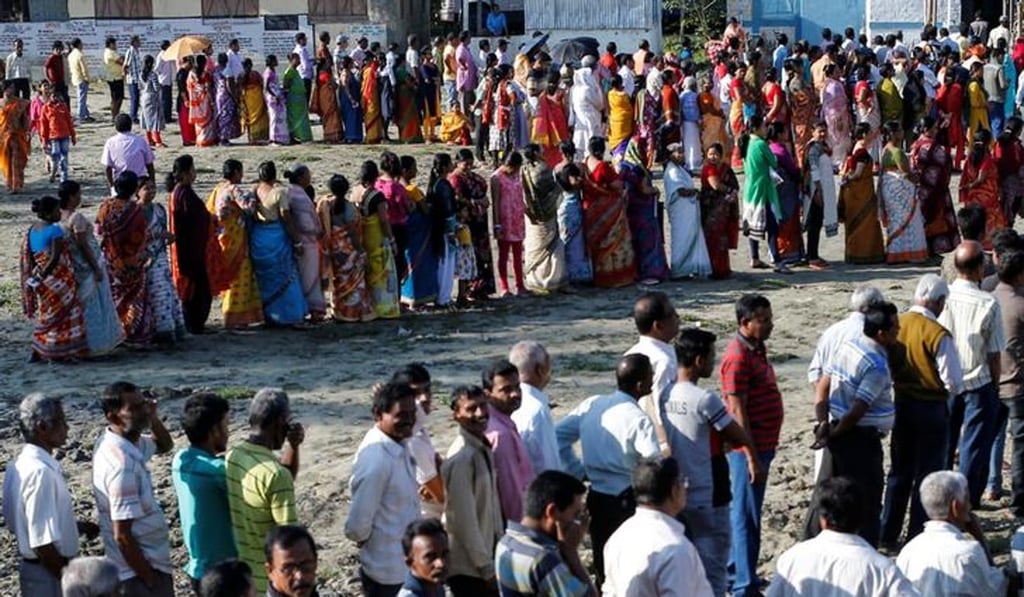
There’s an animated conversation among the men sitting on the luggage racks – two shopkeepers, a government employee, an IT worker and a manual labourer. Everyone agrees that Hyderabad is more developed than Chennai. They are fascinated by the brand new air-conditioned bus stops in the city.
As the discussion becomes more expansive, discussing political preferences and even revealing how they voted, the labourer – he’s a mason from Vijayawada – and clearly the poorest among the group pipes up:
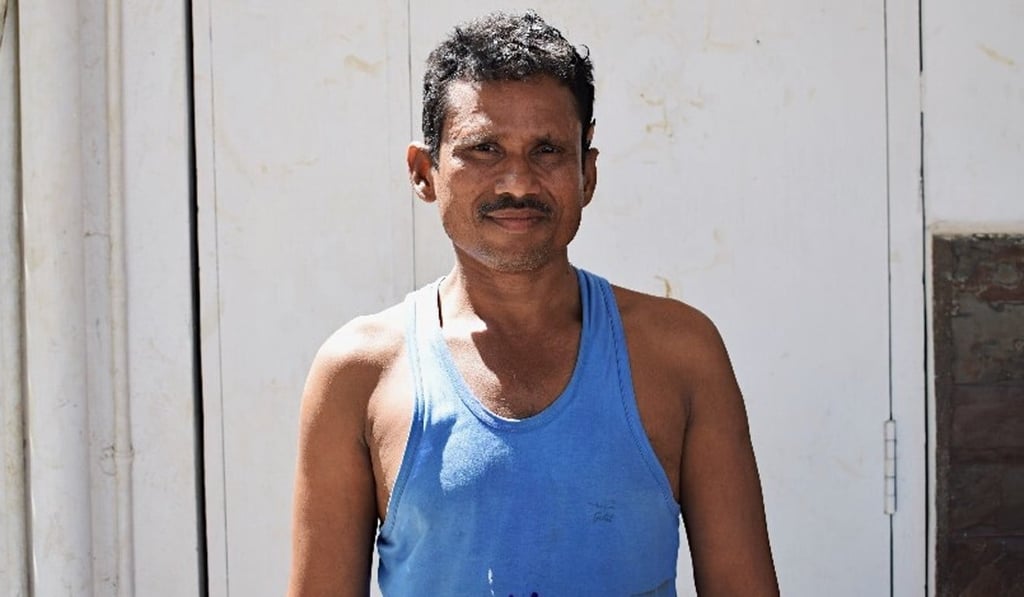
“I voted for Modi.” When asked why, he explains straightforwardly, “under Congress, pulses (he uses the Telugu word ‘pappu’) cost 120 rupees whereas now they’re only 80 rupees”. Realising his more straitened circumstances, no one questions him any further. Instead they fall silent.
Whilst the chattering classes may well view the upcoming polls as part of an ongoing struggle between conflicting visions for the Republic – with the BJP and its assertive and increasingly anti-democratic Hindutva agenda on the one hand and the Gandhi-Nehru family’s secular socialist dreams on the other, for most people the questions are more immediate: it’s all about jobs, prices, and basic government services. Indeed, electoral politics the world over is essentially all about – ‘what’s in it for me?’