Advertisement

Opinion | Ageing Hong Kong needs more help. Its helpers need more rights
- The region’s greying population and growing number of working women mean the demand for domestic workers will only rise
- But these workers are underprotected by labour laws and vulnerable to exploitation as well as violence. Asean must do more
Reading Time:2 minutes
Why you can trust SCMP

Asia is on track to become one of the oldest regions in the world over the next few decades. According to the United Nations Economic and Social Commission for Asia and the Pacific, the number of elderly residents is set to rise from 548 million this year to nearly 1.3 billion by 2050. By then, one in four people is expected to be over 60 years old. Japan, South Korea and Thailand are the most rapidly ageing countries in the region. If the trend continues, by 2031, Thailand will join Japan, Hong Kong, Korea and New Zealand as societies where more than one in five will be 65 or older.
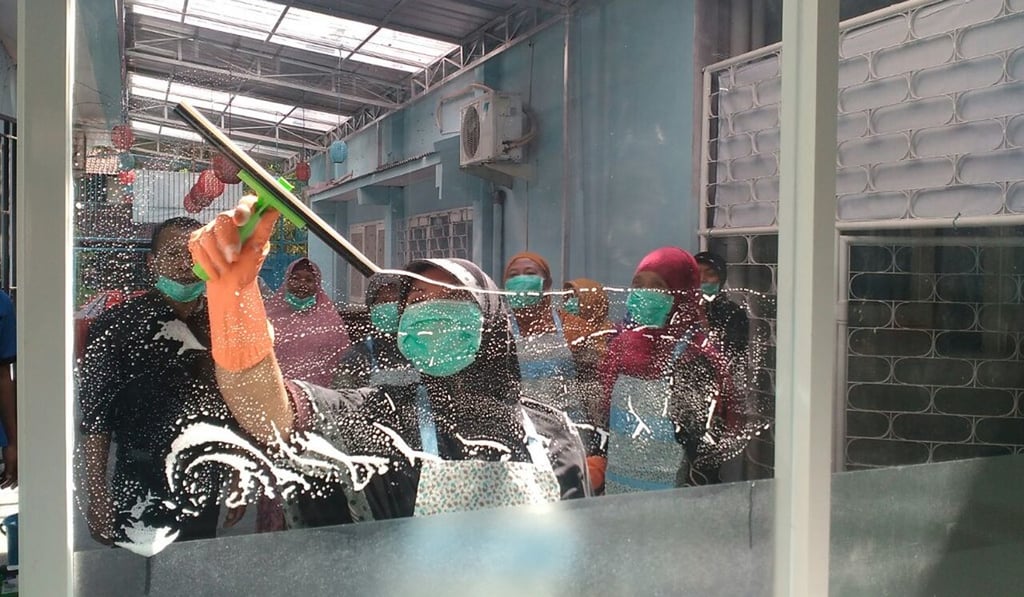
This demographic transition, combined with a growing number of women in the workforce, is fuelling demand for home-based care and domestic help. As societies develop and women enter the world of work, they are less likely to perform “traditional” care roles. Many ageing societies will look to migrants to fill the gap. Singapore is illustrative of this trend. In 2012, a national survey found 50 per cent of Singaporeans aged 75 or over were dependent on migrant workers for daily care.
June 16 is globally recognised as Domestic Workers’ Day and aims to highlight the importance of these employees to the functioning of households and society. Domestic workers number about 67 million around the world, with almost 10 million in Southeast Asia and the Pacific. The vast majority, 83 per cent, are women.
Advertisement
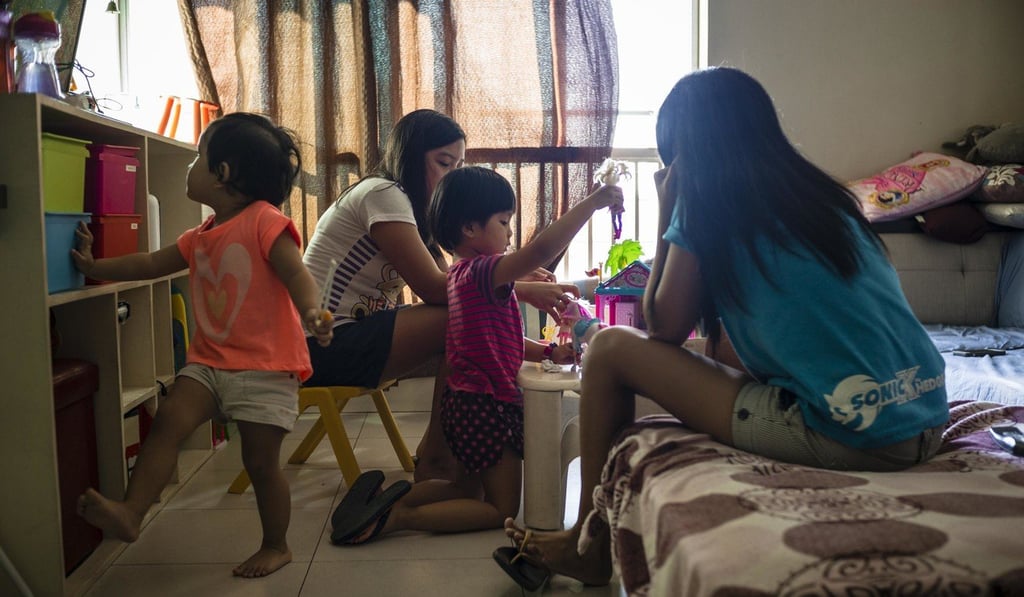
But their jobs are some of the lowest paid, and entail long, unpredictable hours. They are disproportionately exposed to abuse, due to gaps in employment legislation, isolation in homes and the informal nature of their work.
Advertisement
There is also a certain tolerance for exploitation and abuse of female workers in patriarchal societies. Some countries have imposed gender-based migration bans or restrictions to tackle this issue, but the policies have often proven counterproductive.
Women will continue to migrate, but will be forced to do so through irregular channels, thereby increasing their vulnerability.
Advertisement
Select Voice
Select Speed
1.00x