Advertisement
China Briefing
This Week in AsiaOpinion
Wang Xiangwei

China Briefing | US-China trade war: hardliners in Beijing are gaining influence

  • Chinese urging concessions for Washington have been attacked by the media
  • Businesses and residential complexes are being forced to change foreign-sounding names, and the war film The Eight Hundred has been cancelled

Reading Time:4 minutes
Why you can trust SCMP
A scene from the World War II epic The Eight Hundred, which Chinese censors cancelled last month. Photo: YouTube
Ever since the trade war between Beijing and Washington started more than a year ago, China’s state media has performed contortionist acts in trying to build up a narrative.

For much of the year, the official media outlets focused on playing up the potential fallout of the escalating conflict on the US economy while remaining silent on its potentially bigger negative impact on the Chinese economy, giving rise to jokes that Chinese officials seemed to be more concerned about the Americans than their own people.

But since mid-May, when the trade talks collapsed with both sides blaming each other and further hiking import tariffs on each other’s goods, the state media has suddenly started to go all out in turning up the heat.

Advertisement

Commentaries have accused Washington of imposing extreme pressure on Beijing and vowed that the Chinese people will never cave in to its unreasonable demands, citing China’s historical humiliations at the hands of colonial occupiers. Playing the nationalist card has always been the Chinese government’s favourite weapon on occasions like this, and the movie channel of China Central Television has even started to air re-runs of anti-American movies set during the Korean war.
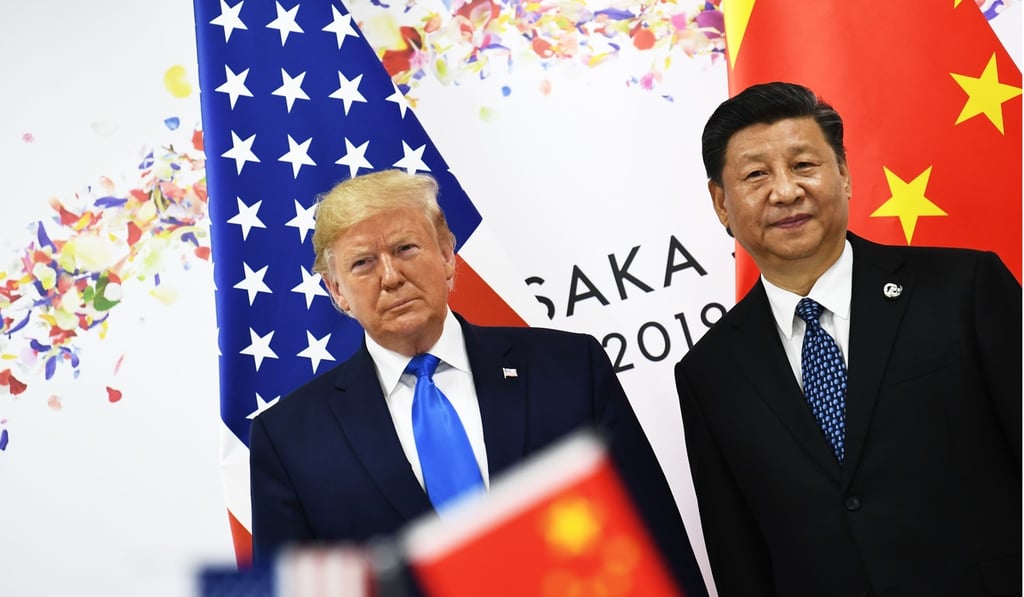
US President Donald Trump and his Chinese counterpart Xi Jinping meet on the sidelines of the G20 Summit in Osaka. In the run-up to the summit Chinese media focused its wrath on those Chinese urging the government to make concessions to the US. Photo: AFP
Advertisement
More interestingly, in the immediate run-up to the summit on June 29 between Chinese President Xi Jinping and his American counterpart Donald Trump, which resulted in a much-needed truce on the trade war, leading state media organisations including the People’s Daily, Xinhua, and Guangming Daily suddenly focused their wrath on what they said was “a tiny group” of Chinese people who had urged the government to make concessions to the United States to end the trade war.
Advertisement
Select Voice
Choose your listening speed
Get through articles 2x faster
1.25x
250 WPM
Slow
Average
Fast
1.25x