OpinionAustralia’s watershed political moment: welcoming Asian-Australians to the table
- With stark underrepresentation of Asian-Australians in politics, the country is increasingly beset by myopic and polarised debates about race
- Chinese-Australians face especially difficult hurdles in entering the political arena due to the ongoing debate about foreign interference in politics

Asian-Australians comprise 14.7 per cent of the population and growing, yet are significantly under-represented in our federal parliament. This has resulted in a parliament that is increasingly disconnected from the lived experience of a sizeable segment of the electorate, leading to more myopic and polarised debates about race and national identity, and slow responses to issues like foreign interference.
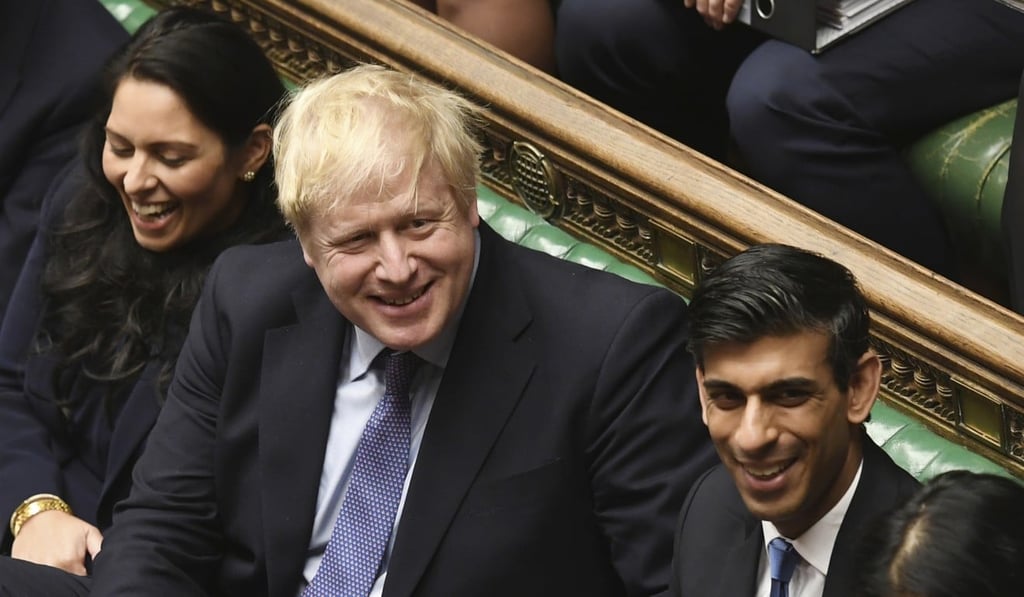
Australia’s federal parliament is less representative and whiter than other comparable English-speaking parliamentary democracies. One in 10 MPs elected in the recent British election are from black and minority ethnic backgrounds. At the 2019 Canadian federal election, 15.1 per cent of MPs elected were visible minorities. In New Zealand, 6.7 per cent of MPs have Pacific Islander heritage and 6 per cent are Asian. In contrast, only nine – or 4 per cent – of Australian 227 federal MPs have non-European heritage. This is a national embarrassment.