Advertisement
OpinionAustralia, New Zealand can reduce China dependence with ‘trans-Tasman travel bubble’
- The two economies should pool resources, add value and enhance the competitive advantage of strategic industries in the region
- This doesn’t mean cutting ties with China, which is the main importer of primary produce and food products from Australasia, while Chinese exports are vital
4-MIN READ4-MIN

When it comes to economic over-reliance on China, New Zealand consumers need look no further than their most popular big box chain, The Warehouse. The familiar “big red shed” sourced about 60 per cent of its home brand stock from China in 2017 – and a further NZ$62 million (US$37 million) in products directly through offices in China, India and Bangladesh in 2019.
In Australia, many major chain stores as well as online retail giant kogan.com are in a similar position. Reliant on China for much of what they sell, including exclusive home-brand items, they are part of what has been described as the world’s most China-reliant economy.
The Covid-19 crisis has thrown Australian and New Zealand businesses’ dependence on China into stark relief. With countries reportedly competing with and undercutting each other to secure desperately needed medical supplies from China, many are now waking up to their economic exposure to a single manufacturing giant.
Advertisement
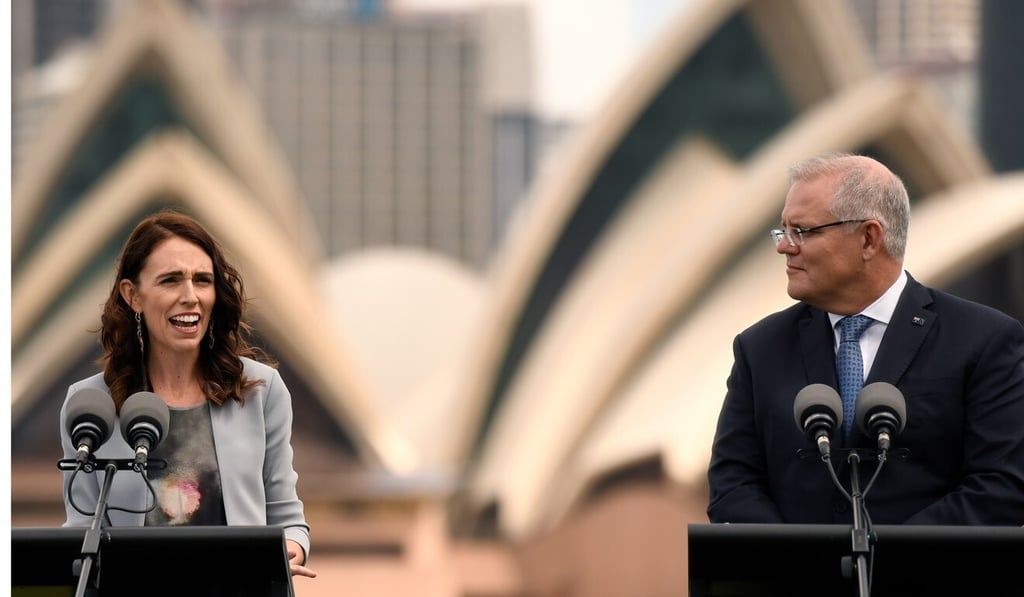
Understandably, discussions about creating a “trans-Tasman bubble” between Australia and New Zealand have focused on kick-starting economic activity in the short term, particularly through tourism.
Advertisement
But both countries also need to take a longer-term view of boosting economic activity – including through increased manufacturing and trade integration.
Advertisement
Select Voice
Select Speed
1.00x