Advertisement
OpinionIndia’s bullying of its neighbours boosted China. Now it needs to build a strong backyard
- The coronavirus pandemic, a weakening economy, social fissures and now the loss of 20 soldiers on the Chinese border have raised the heat in Delhi
- After facilitating China’s expansionist goals by treating nearby countries badly, India needs to demonstrate good neighbourliness to realise its global potential
3-MIN READ3-MIN

The current turbulence on the Indian subcontinent appears unprecedented in its enormity since the partition of India in 1947. While the ongoing China-India altercation occupies the attention of the strategic community, events transpiring across South Asia since the arrival of Covid-19 are reshaping the already fractious security environment of a subregion often touted as the world’s most dangerous.
China’s steadily growing and assertive involvement in the destinies of the eight countries that form the South Asia Association for Regional Cooperation (Saarc) would arguably qualify it as the ninth member of the bloc, challenging India’s muddled efforts to achieve global power status.
India’s ambitions continue to be thwarted by its inexhaustible capacity to lay siege within. Energetically so since Narendra Modi became prime minister in the summer of 2014, with the spectacular eruption of Hindu extremism, crippling economic policies, the corrosion of democratic institutions, and its neighbourhood policy – driven by its desire to reaffirm its regional supremacy – leaving New Delhi increasingly perceived as a big bully.
Advertisement
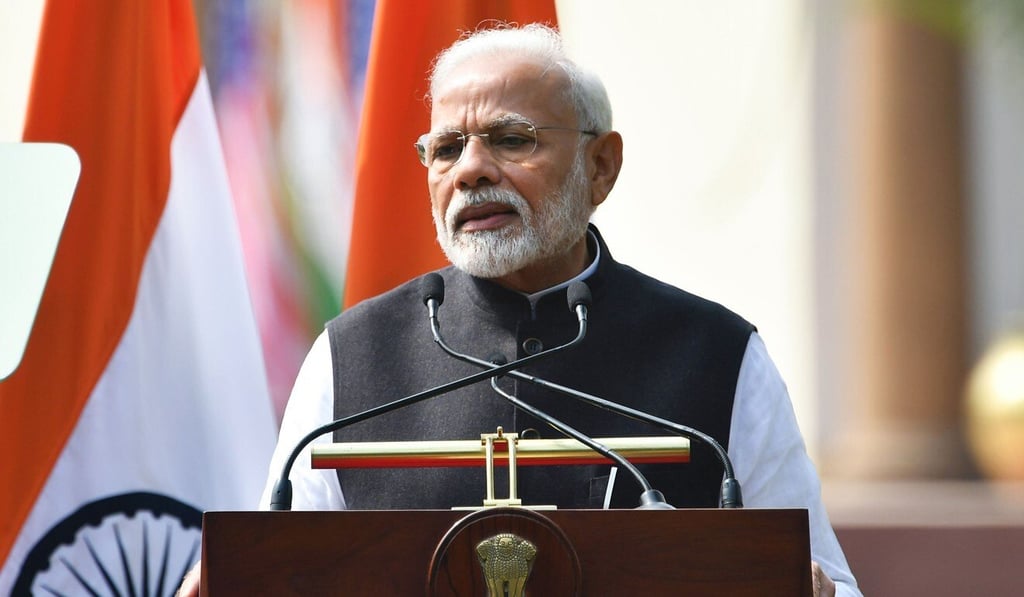
Modi’s groundbreaking decision to invite Saarc leaders to his inauguration held the promise of resolving differences and renewing ties to help improve intraregional trade from its trifling 5 per cent.
Advertisement
That hope evaporated in the winter of 2015 with India’s “informal” blockade of Nepal, which caused a humanitarian crisis more damaging than the devastating earthquake the country was still recovering from. With Delhi’s negative reaction to the new constitution of Nepal, the region’s aspirations took a new hit, opening the door further for its challenger.
Advertisement
Select Voice
Select Speed
1.00x