Advertisement
OpinionAs China’s role in Mekong grows, Asean states must weigh ties with US, other powers
- China’s belt and road projects and its engagement with the region via the Lancang-Mekong Cooperation are fuelling a strategic competition in Southeast Asia
- The US, Japan and South Korea have deepened their commitment to Mekong nations, with each also affirming Washington’s policy of a free and open Indo-Pacific
5-MIN READ5-MIN

Mainland Southeast Asia, especially the Mekong subregion, has become a site for renewed engagement by external powers, a trend driven by China’s proactive foreign policy as well as its promotion of the Belt and Road Initiative and minilateral forum, the Lancang-Mekong Cooperation (LMC).
The United States is at the front line of this strategic competition, especially under its Free and Open Indo-Pacific strategy. The US action has spurred other regional players, namely Japan and South Korea, to deepen their ties with the Mekong countries through their respective cooperative schemes.
While the three hold separate policy objectives, the strategic outcome of their various moves seems to be harmonised. In particular, Japan and South Korea have included a commitment to America’s Indo-Pacific strategy within their own arrangements.
Advertisement
It is worth looking at how each is re-engaging the region as China’s role and influence grows among Mekong states.
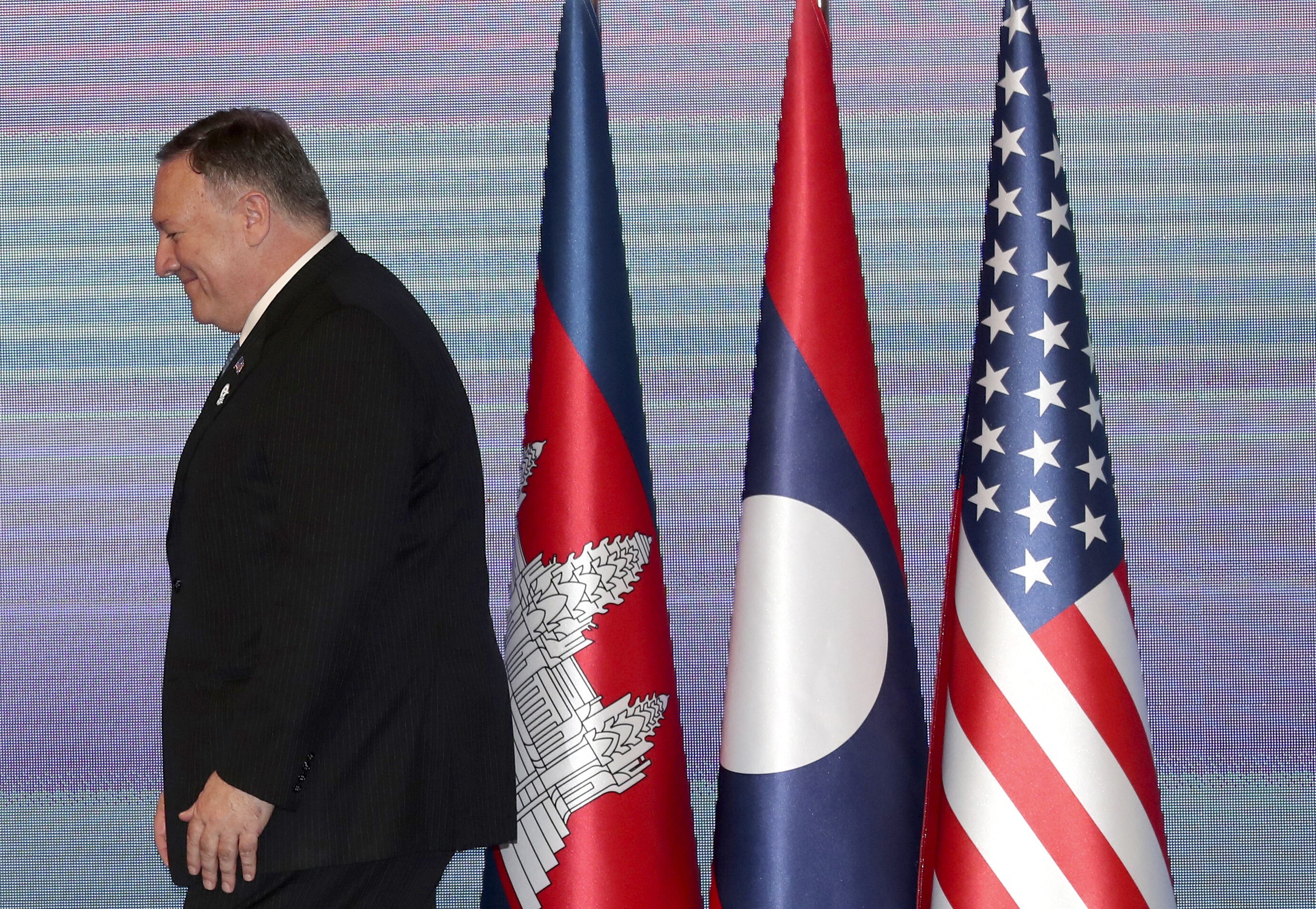
The United States
The US presence in the region is an important factor amid the ongoing major power shifts. Washington possesses various advantages not only from its military might, but also its economic strength and soft power. It has extensive security arrangements with most Southeast Asian nations, both in security alliance and partnership.
Advertisement
Advertisement
Select Voice
Select Speed
1.00x