OpinionHow can Hong Kong prevent domestic workers and their babies from going homeless after maternity leave increase?
- While the extension is good news for the city’s working mothers, it has raised fears that migrant domestic workers may be left in a more vulnerable situation
- Experts say Hong Kong needs to roll out practical solutions for employers and raise awareness for these workers’ maternity rights

Maternity leave in Hong Kong was last week increased from 10 to 14 weeks, which is obviously good news for working women in the city. But there’s a group that continues to be neglected and will struggle to actually benefit from this change: female foreign domestic workers.
It is hardly surprising that domestic workers start developing romantic relationships in Hong Kong, as many remain in the city for several years and sometimes decades. But although they are entitled to maternity rights, the reality they face is not quite straightforward.
In recent years, I interviewed several migrant workers who ended up being illegally fired or succumbing to pressure to resign after becoming pregnant. Their visa usually expires two weeks after being sacked, and they are often left with no option but to go underground or turn to charity groups – while struggling to provide their children with the most basic things, including shelter, food, education and even legal documents.
A recent survey by PathFinders – the only charity group in the city that is focused on migrant mothers and their children – showed that about 74 per cent of residents believe a pregnant migrant domestic worker should be entitled to maternity protection, but some 65 per cent consider such pregnancies to be unacceptable. Half of the respondents said this was because of the inconvenience caused to the employer’s household.
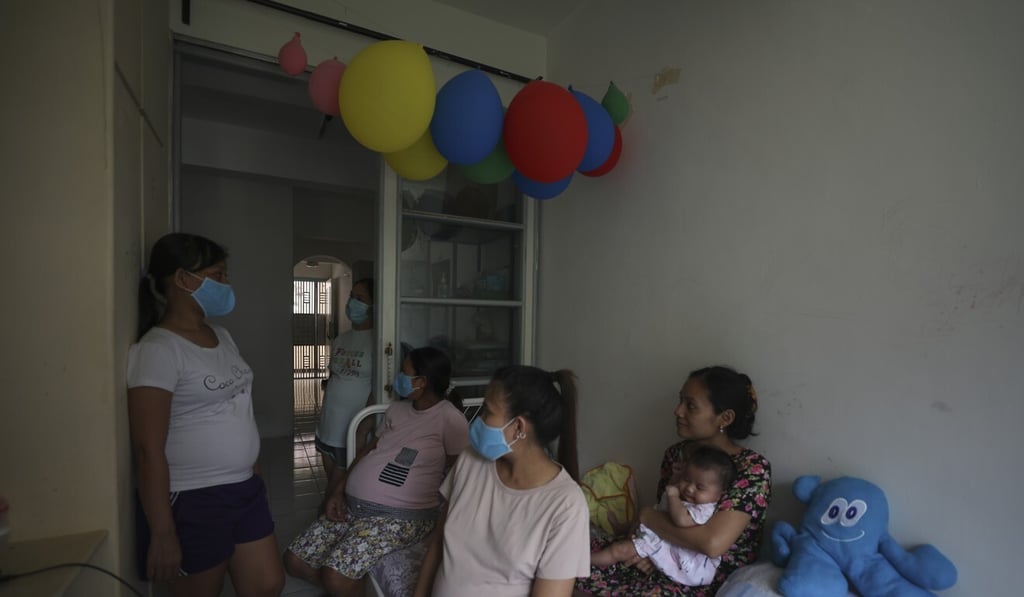
These findings confirmed the dilemma employers often experienced when their domestic workers became pregnant, PathFinders said. And, now, with the increase in maternity leave, advocates and support workers worry that employers will face a greater financial burden and growing stress, while migrant mothers may be left in a more vulnerable situation.
Under Hong Kong’s regulations, domestic workers are not allowed to live outside the home where they work, but employers have no obligation to provide accommodation for the worker’s newborn baby. Many find it hard for their domestic workers to stay in while on maternity leave, mostly due to the limited living space in the city’s flats.