Advertisement

Asian AngleIndonesia’s green-energy export ban puts Asean’s power grid plans at risk
- Jakarta’s ban on renewable-energy exports has dealt a major blow to the long-awaited prospect of an interconnected power grid for Southeast Asia
- It has also thrown import-dependent Singapore’s green-energy plans into doubt – but there are still grounds for optimism
4-MIN READ4-MIN

When Singapore began importing renewable energy from Laos via Thailand and Malaysia on June 23, it marked a first for both the city state and the Association of Southeast Asian Nations.
The project – the first multilateral cross-border electricity trade involving four Asean members – has been touted as a forerunner of the long-awaited Asean power grid, which promises to benefit not only the region’s potential energy exporters such as Laos and Indonesia, but also smaller states like Singapore and Brunei by boosting their energy security.
Perhaps most importantly, such a grid would offer the region a path towards decarbonisation, if it were used to support the development and trade of renewable electricity to meet Asean’s growing energy needs.
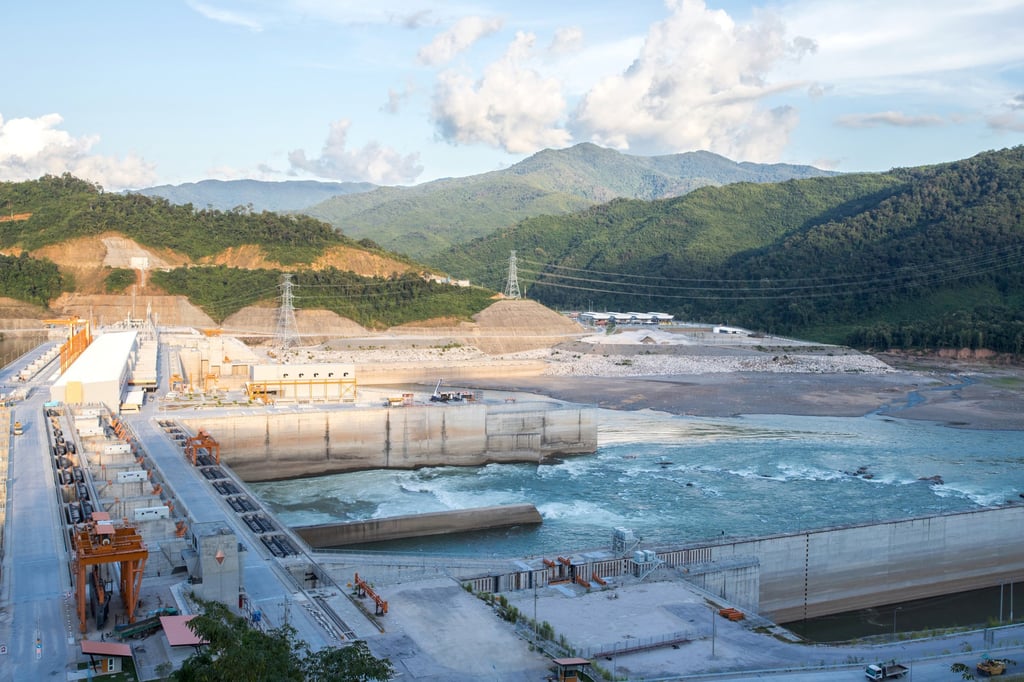
Yet recent moves by Indonesia – the region’s largest country, with enormous potential for renewable energy generation – should temper any optimism that the arrival of an Asean power grid is at hand.
Advertisement
In May, Indonesia’s Investment Minister Bahlil Lahadaila announced the suspension of renewable energy exports, ostensibly on the instruction of President Joko Widodo.
Such a ban deals a major blow to the proposed Asean power grid as it jeopardises existing plans for the development of bilateral renewable energy trade links, which academics have noted are required as a first step towards the completion of broader regional projects.
Advertisement
The move also took negotiators and investors in Singapore by surprise, as considerable steam had been building up behind bilateral energy deals this year: the two countries signed a climate change partnership in March and a memorandum of understanding surrounding energy cooperation in January – underpinning the multiple renewable energy projects the two sides have planned and laying the groundwork for the Asean power grid.
Advertisement
Select Voice
Select Speed
1.00x