
As I see it | Asean wants to build regional health resilience. Will it happen?
- A new policy is aimed at putting member states on the same page regarding access to vital drugs and the development of pharmaceutical products
- But Asean is notorious for falling flat when it comes to executing its best-laid plans

The Asean Pharmaceutical Regulatory Policy (APRP) will cover vaccines, antidotes and other critical pharmaceutical products, and all activities related to development, testing, manufacturing and distribution. It will also allow Asean states to present a united front in negotiating with powerful multinational drug makers for access to life-saving medication.
“The APRP’s guiding principles on pharmaceutical regulation provide direction for future integration of the sector and are applicable to regulations across the entire life-cycle of pharmaceutical products to support the healthcare systems as well as to protect the health of populations in Asean,” the bloc said in a statement.
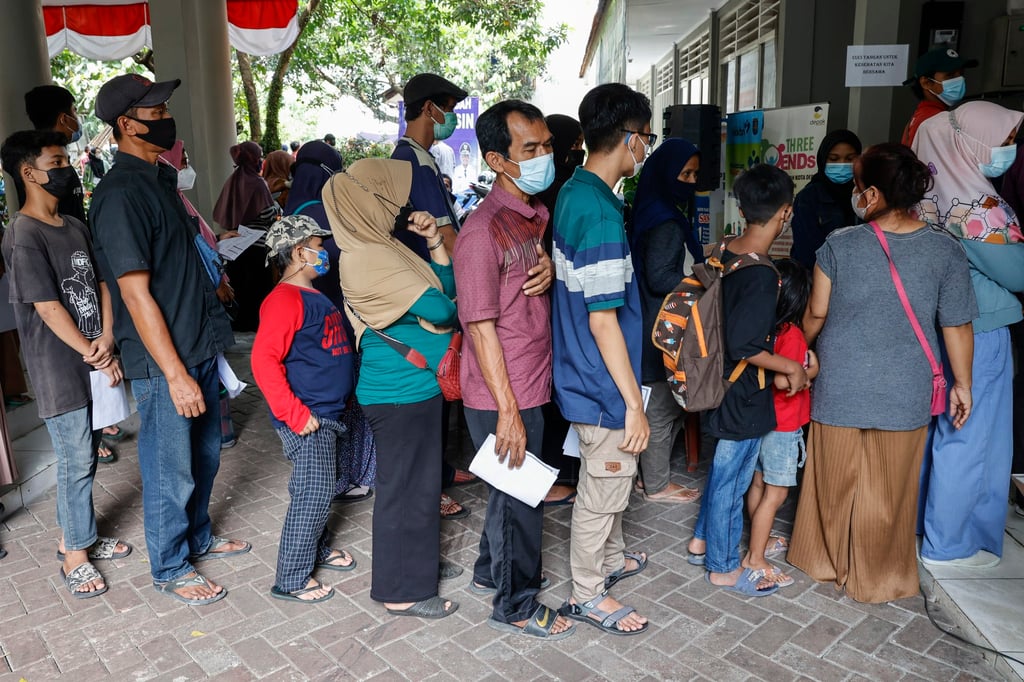
The lack of diplomatic and economic heft as individual nations meant that each held little sway in pushing for more equitable access to the vaccines, which were largely monopolised by developed Western economies in the earliest roll-outs.
Despite promises of guaranteed supplies, especially under the World Health Organization-backed Covax Facility, a sizeable portion was prioritised for developed nations that were willing – and able – to pay a significant premium for vaccines developed by major pharmaceutical firms like Pfizer and Moderna.
Distribution was eventually broadened to more regions and countries, but not before sustained pressure from emerging nations and international organisations including the United Nations and the WHO.