
-
Advertisement
Indonesia
This Week in AsiaOpinion
Divya Narain

Opinion | China-backed dam’s impact on Indonesian ape highlights need for basin-scale planning

  • Just 800 Tapanuli orangutans remain in Indonesia where a China-backed dam threatens to eradicate the rest
  • The prevalence of Chinese-backed dams across Southeast Asia highlights need for holistic basin-scale planning

Reading Time:4 minutes
Why you can trust SCMP
1
The population of Tapanuli orangutan has declined by 83 per cent over the past 75 years, largely due to hunting and habitat loss. Just 800 Tapanuli orangutans remain – and their last known habitat is threatened by a slew of infrastructure projects. Photo: AFP
In 2017, scientists described a new species of great apes – the Tapanuli orangutan. The species, found in the Batang Toru ecosystem of north Sumatra, Indonesia, was listed as critically endangered soon after.

The population of the species has declined by 83 per cent over the past 75 years, largely due to hunting and habitat loss. Just 800 Tapanuli orangutans remain – and their last known habitat is threatened by a slew of infrastructure projects.

Chief among them is the Chinese-funded Batang Toru hydropower dam, which threatens to fragment and submerge a large chunk of the orangutan’s habitat. The project is just one of a 49 hydropower dams China is funding: mostly across Southeast Asia, but also in Africa and Latin America.

In new research, my colleagues and I show the substantial risk to biodiversity posed by the sheer number of Chinese-funded dams. And yet, environmental regulation of these projects has serious flaws.

Big dams, big risks

Hydropower is expected to be an important part of the global renewable energy transition. But the technology brings environmental risks. Dams disrupt the flow of rivers, altering species’ habitat. Dam reservoirs inundate and fragment habitats on land.
Advertisement
Traditionally, financing of hydropower projects in low-income countries was the preserve of Western-backed multilateral development banks. China has now emerged as the biggest international financier of hydropower under its overseas infrastructure investment programme, the Belt and Road Initiative.
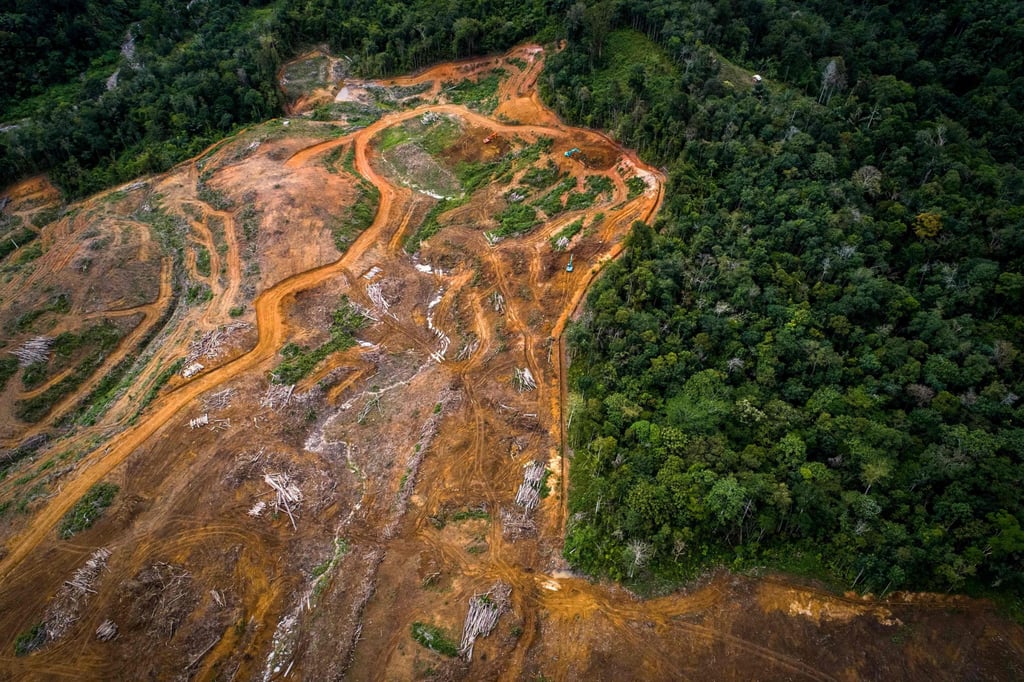
This handout picture from the Sumatran Orangutan Conservation Programme taken on August 20, 2018 shows an aerial view of land cleared as a staging area for the building of a new hydroelectric dam in the Batang Toru rainforest, the only known habitat of the Tapanuli orangutan, on Sumatra island. Photo: AFP

Yet little is known about the scale of China’s hydropower financing or the biodiversity risks it brings. Whether adequate safeguards are applied to the projects by Chinese and host country regulators is also poorly understood. Our research attempted to remedy this.

Advertisement
Advertisement
Select Voice
Choose your listening speed
Get through articles 2x faster
1.25x
250 WPM
Slow
Average
Fast
1.25x